Septic Tank Pumping vs. Cleaning in Birmingham, AL: What Homeowners Should Expect
November 12, 2026
Your septic tank handles wastewater every day, but unlike many household systems, it can operate for years without drawing much attention. That doesn't mean it can go indefinitely without maintenance.
Over time, solid waste and grease accumulate inside the tank. If that material isn't removed, it can interfere with how the septic system treats and distributes wastewater.
For Birmingham homeowners, professional septic tank pumping and cleaning are essential parts of preventive maintenance. But what exactly happens when a septic company arrives? Is pumping different from cleaning? And how can you tell whether your system needs routine service or something more?
Understanding these differences helps you make informed decisions, ask better questions, and protect your septic system.
At Alabama Pumper, we provide residential and commercial septic tank pumping and cleaning in Birmingham, Alabama, and surrounding Central Alabama communities.
What's the Difference Between Septic Tank Pumping and Septic Tank Cleaning?
Septic tank pumping removes accumulated wastewater, sludge, and floating waste from the tank. Septic tank cleaning refers to removing the buildup left inside the tank, which may require additional attention to settled or compacted material.
In everyday conversation, homeowners and contractors often use the terms interchangeably. However, the scope of the work matters more than the name.
Septic Tank Pumping
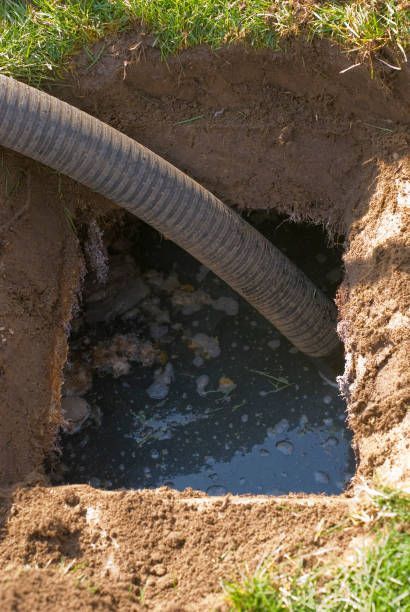
Septic pumping uses specialized vacuum equipment to remove the contents of a septic tank.
Inside a conventional tank, wastewater separates into three primary layers:
- Scum: Grease, oils, and other floating material near the surface.
- Effluent: The liquid wastewater between the solid layers that normally flows toward the drain field.
- Sludge: Heavier solid waste that settles at the bottom of the tank.
As the sludge and scum layers accumulate, they reduce the space available for proper separation and treatment.
Routine septic pumping removes these accumulated materials to help prevent excessive solids from moving farther into the system.
Septic Tank Cleaning
Septic cleaning is often used to describe a thorough pump-out that also addresses accumulated material inside the tank.
Depending on the system's condition, this may involve loosening stubborn sludge, removing residual buildup, and paying additional attention to accessible compartments.
Some tanks also have effluent filters that require periodic cleaning. An effluent filter helps prevent suspended solids from entering the drain field.
Important: Septic tank cleaning does not mean sterilizing the tank or adding aggressive chemical treatments. A septic system depends on natural biological processes to treat wastewater.
The Alabama Department of Public Health recommends regular professional septic tank and effluent filter maintenance.
When requesting service, ask exactly what the contractor includes in a pumping or cleaning appointment.
Why Regular Septic Pumping Matters for Birmingham Homeowners
The purpose of septic pumping isn't simply to empty a tank. It's to remove solid waste before excessive accumulation creates problems elsewhere in the septic system.
A typical residential septic system has two major treatment components:
- The septic tank, where wastewater is collected and solids separate from liquid.
- The drain field, where partially treated wastewater is distributed into the soil for additional treatment.
Pumping maintains the tank. It does not clean or replace the drain field.
When solids are allowed to accumulate excessively, some material can escape toward the drain field. Once solids clog the soil absorption area, fixing the problem may be significantly more involved than routine pumping.
According to the U.S. Environmental Protection Agency, septic tanks separate solids and floating materials from wastewater before the liquid moves into the drain field.
For homeowners in Birmingham and surrounding Jefferson County communities, maintaining that separation is one of the most important reasons to schedule routine septic service.
What Happens During a Professional Septic Tank Pumping Appointment?
If you've never scheduled septic pumping before, it's reasonable to wonder what the technician actually does.
The exact procedure depends on your system, its access points, and whether you're requesting routine maintenance or investigation of a problem.
Here are the important stages of a typical service visit.
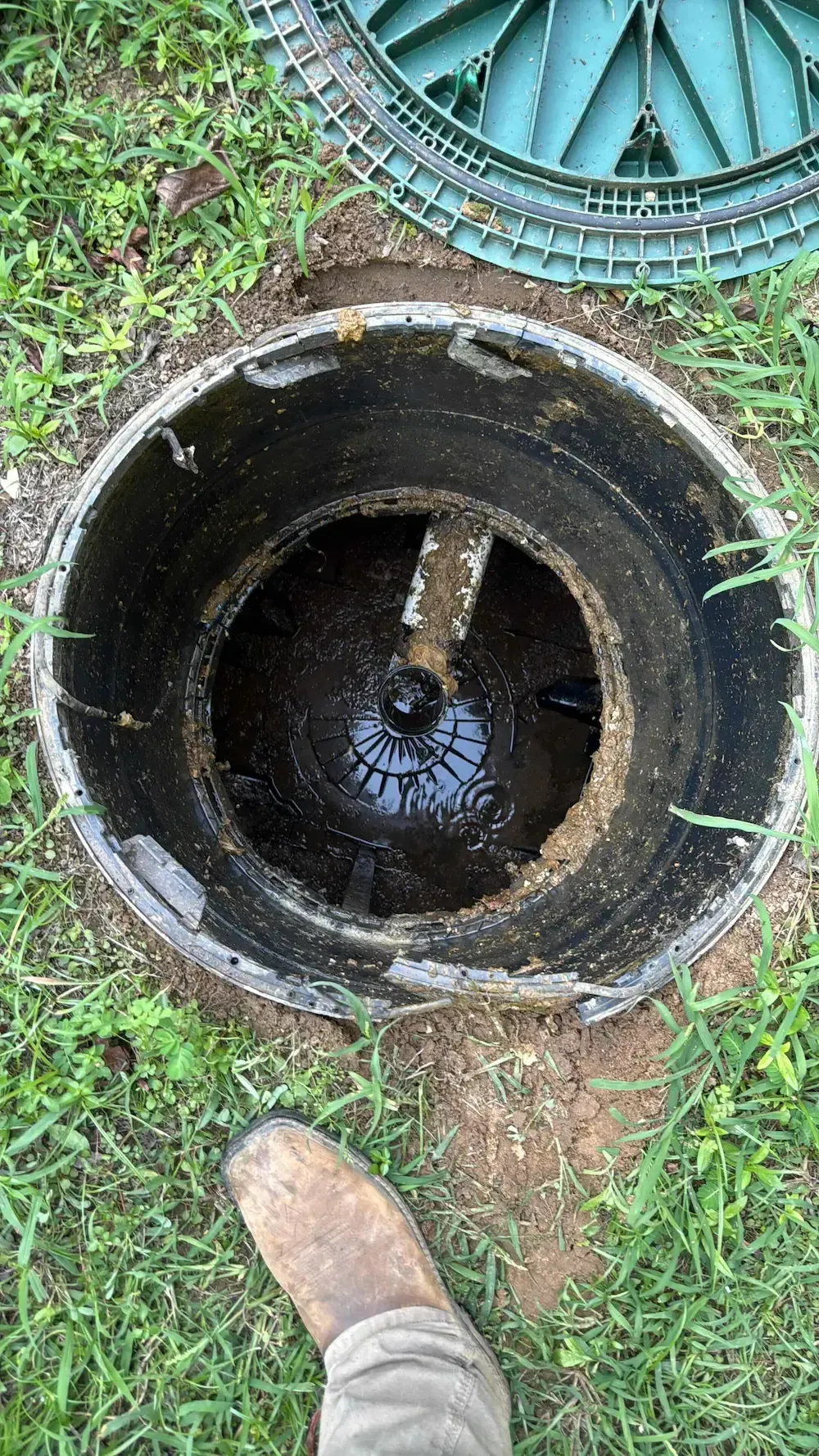
1. Locating the Septic Tank and Access Points
The first step is identifying the septic tank and locating the appropriate access openings.
Some properties have visible risers or lids near ground level. Others have buried access points that must be located and uncovered.
If you have previous pumping records, a septic system drawing, or information about the tank location, having it available can make the appointment easier.
Access matters because the contractor needs to reach the correct portions of the tank to perform the required work.
2. Evaluating the Tank Before Pumping
Before removing wastewater, a technician may assess the liquid level, sludge accumulation, floating scum, and visible system conditions.
These observations can help determine whether routine maintenance is overdue and whether further investigation is appropriate.
Where accessible and included in the service, the technician may also examine components such as:
- Inlet and outlet baffles
- Septic tank lids and risers
- Tank walls and visible structural condition
- Effluent filters
- Wastewater levels
- Accessible compartments
A routine pumping visit is not automatically the same as a comprehensive septic inspection. Ask what observations and inspections are included when scheduling.
3. Pumping Out Wastewater and Accumulated Solids
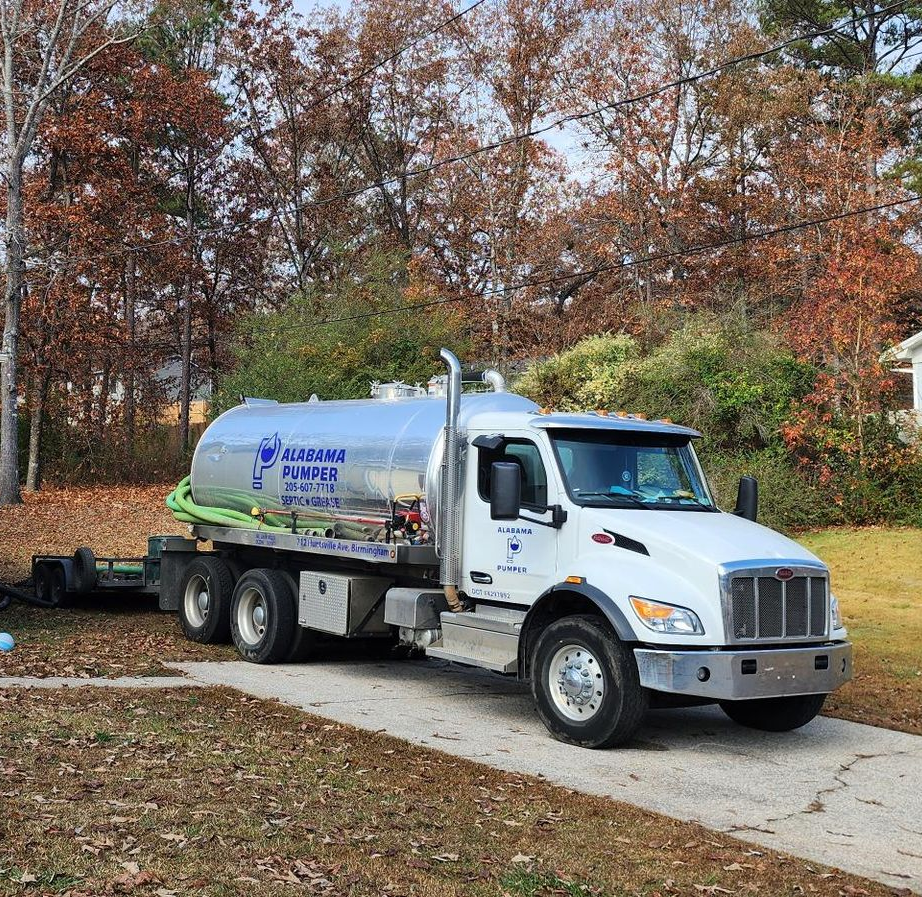
A septic pumping truck uses vacuum equipment and hoses to remove the contents of the tank.
The goal of a routine complete pump-out is to remove wastewater along with the accumulated sludge and scum.
If heavy material has collected at the bottom, additional work may be needed to loosen it for removal.
For multi-compartment tanks, the contractor should determine which compartments require access and pumping.
The amount of work depends on the tank's configuration, accessibility, and condition.
4. Addressing Remaining Buildup and Filter Maintenance
Some tanks have compacted solids or other accumulated material that require additional attention after the initial pumping.
A professional can determine whether further cleaning is appropriate.
Effluent filter cleaning is also an important maintenance consideration for systems equipped with filters.
Alabama public health guidance recommends cleaning septic tanks and effluent filters periodically to help protect the system.
If you aren't sure whether your system has an effluent filter, ask the technician to explain what is present and whether filter service is included.
5. Identifying Visible Concerns and Discussing Next Steps
Pumping can provide an opportunity to identify conditions that might otherwise remain hidden.
Examples include damaged baffles, cracked lids, root intrusion, or unusual wastewater levels.
Not every concern will be visible during routine pumping, and additional testing or inspection may be required.
A helpful service report should identify the work completed, accessible components examined, any observed concerns, and relevant maintenance recommendations.
If more extensive troubleshooting is necessary, Alabama Pumper also provides septic system repairs and troubleshooting for Birmingham-area properties.
How Do You Know When Your Septic Tank Needs Pumping?
For many residential systems, pumping is recommended approximately every three to five years. However, that is a general maintenance guideline rather than a fixed rule for every property.
The appropriate schedule depends on:
- Septic tank size and capacity
- Number of people using the system
- Daily wastewater volume
- Garbage disposal use
- Amount of accumulated sludge and scum
- Previous maintenance history
- System design and operating condition
The EPA recommends periodic inspection and pumping, while the Alabama Department of Public Health recommends annual septic tank inspections and regular pumping by licensed professionals.
A home with several occupants may require more frequent service than a property with lower wastewater use and a similarly sized tank.
For a more detailed explanation, read our guide to
how often septic tanks should be pumped in the Birmingham area.
Warning Signs That Your Septic System Needs Attention
Some homeowners schedule pumping because they know maintenance is due. Others discover a problem when their plumbing stops behaving normally.
Common warning signs include:
- Several household drains becoming unusually slow
- Toilets gurgling when other fixtures are used
- Wastewater backing up into sinks, tubs, or floor drains
- Persistent sewage odors inside or outside
- Unusually wet or soggy areas near the drain field
- Sewage appearing on the ground surface
- Septic system alarms, where installed
These symptoms deserve attention, but they do not always mean the tank simply needs pumping.
A clogged sewer line, failed pump, damaged component, or drain field problem can cause similar issues.
If wastewater is backing up into your home, limit water use, avoid contact with sewage, and contact a qualified septic professional.
Need septic tank pumping or help diagnosing a septic problem in Birmingham?
Alabama Pumper provides septic pumping, cleaning, inspections, and troubleshooting for Birmingham-area homes and businesses.
Call
Alabama Pumper to discuss your system and request service.
Can Septic Tank Pumping Fix a Backup or Drain Field Problem?
Sometimes pumping helps relieve a problem. Other times, it only temporarily changes the wastewater level without correcting the underlying cause.
This distinction can save homeowners from repeatedly paying for a service that doesn't address the actual issue.
When Pumping May Help
Pumping may be appropriate when solids have accumulated excessively or the tank is due for routine maintenance.
Removing accumulated waste restores the tank's capacity to separate incoming solids from wastewater.
However, the contractor should consider the cause of any current backup rather than assuming pumping alone will solve it.
When Pumping Isn't Enough
A pump-out cannot repair:
- A cracked or damaged septic tank
- A failed drain field
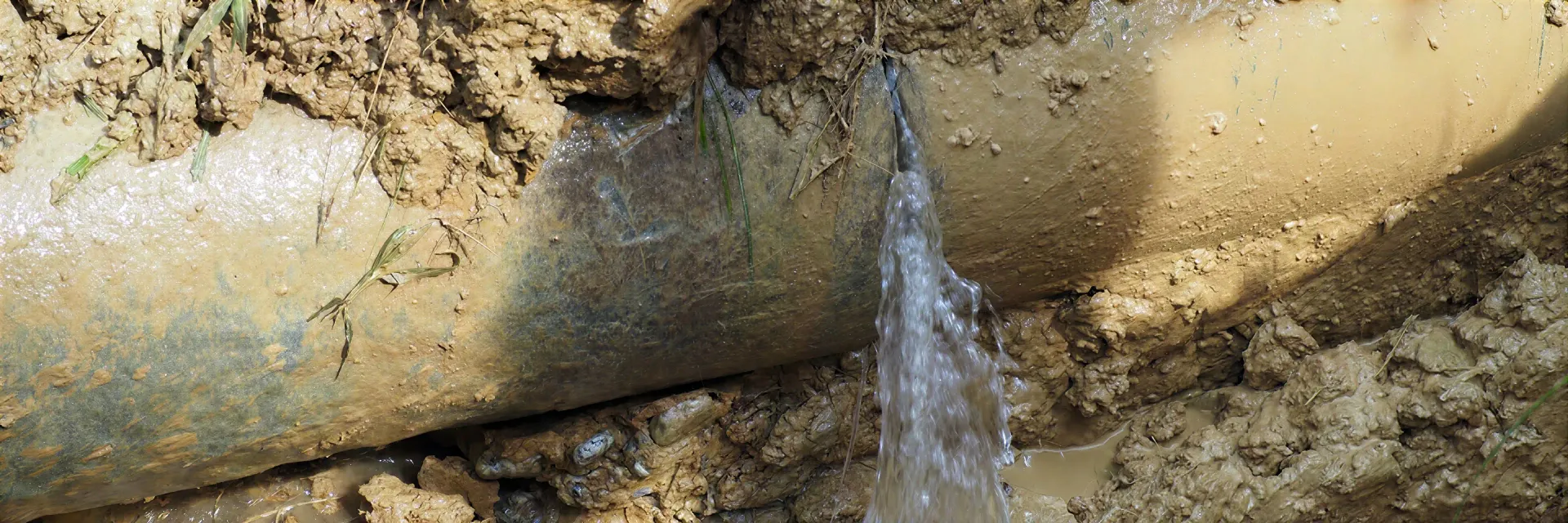
- Broken or collapsed wastewater piping
- A blocked sewer line that requires separate cleaning
- A malfunctioning septic pump
- Damaged electrical or control equipment
- A failed baffle or outlet component
If the same drainage symptoms return after pumping, further investigation may be necessary.
Our guide to telling the difference between a full septic tank and a clogged drain explains why diagnosing the correct problem matters.
Birmingham Septic Systems and Heavy Rain: An Important Maintenance Consideration
Heavy rain can create additional problems for septic systems when the soil around a drain field becomes saturated.
A drain field depends on the surrounding soil to absorb and treat wastewater. When the soil is already holding excessive water, wastewater may have difficulty moving through the system.
This can contribute to slow drainage, backups, or wastewater appearing at the surface.
Pumping the septic tank does not correct saturated soil or restore a failed drain field.
The Alabama Department of Public Health recommends reducing nonessential water use during flooded conditions and diverting surface runoff away from the disposal area.
It also cautions that pumping during severe flooding requires particular care because an emptied tank can be affected by groundwater pressure.
If your Birmingham property develops septic problems following prolonged heavy rain, explain those conditions when requesting service. A qualified professional should evaluate whether pumping, additional diagnostics, or another approach is appropriate.
Never open or enter a septic tank yourself. Dangerous gases and other hazards can be present.
How to Prepare for Septic Tank Pumping and Cleaning
A little preparation can help your septic service appointment go more smoothly.
Before the scheduled visit:
- Locate previous maintenance records. Try to find the last pumping date, tank size, and any available system drawing.
- Tell the company whether the tank location is known. This helps establish whether locating or excavation work might be necessary.
- Identify access restrictions. Mention locked gates, long driveways, low branches, fencing, or limited truck access.
- Explain any current problems. Let the service team know about odors, backups, slow drains, or unusual wet spots.
- Keep pets and children away from the service area. The technician will need a safe working space around the tank and pumping equipment.
Do not remove septic tank lids yourself or attempt to climb inside. Septic tanks can contain deadly gases and present serious physical hazards.
Questions Worth Asking After the Service
Before the appointment is complete, consider asking:
- Was the tank fully pumped, and which compartments were serviced?
- Was an effluent filter present, and was it checked or cleaned?
- Were any visible problems found?
- Does the system need a separate inspection or repair?
- Based on the system's condition and usage, when should maintenance be scheduled again?
- Can I receive a record of the service performed?
Keeping that information will make future maintenance easier and can be useful when selling the property.
What Should You Do After Your Septic Tank Is Cleaned?
The tank will gradually return to its normal operating liquid level as household wastewater enters it. A septic tank is designed to hold wastewater, so the presence of liquid does not automatically mean that it needs pumping again.
The more important issue is whether wastewater flows through the system properly and whether excessive solid material is accumulating.
After a routine service visit, continue protecting the system by following a few basic habits.
Spread out water usage. Avoid overwhelming the system with multiple large laundry loads and other high-volume water activities at the same time.
Keep grease out of household drains. Fats, oils, and grease can contribute to scum buildup and plumbing blockages.
Flush only toilet paper and human waste. Products marketed as flushable, including many wipes, can create problems in septic systems.
Avoid unnecessary septic additives. According to Alabama public health guidance, septic systems do not need additives to replace normal pumping and maintenance.
Protect the drain field. Do not park vehicles, install structures, or direct roof runoff over the disposal area.
Maintain a service history. Record pumping dates, inspections, repair recommendations, and relevant system information.
These practices are part of protecting the entire septic system—not just the tank.
How Much Does Septic Tank Pumping and Cleaning Cost in Birmingham?
There is no single price that accurately represents every septic pumping job in Birmingham, Alabama.
The cost can depend on tank size, accessibility, how deeply the lids are buried, the number of compartments, and whether additional cleaning, inspection, or troubleshooting is required.
The most useful estimate is one based on your actual property and the scope of work.
For a full breakdown of the factors that affect pricing, read our 2026 Birmingham septic tank pumping cost guide.
When requesting service, ask what is included rather than comparing prices without understanding the work involved.
Frequently Asked Questions About Septic Pumping in Birmingham, AL
Is septic tank pumping the same as septic tank cleaning?
The terms are often used interchangeably. Pumping involves removing wastewater and accumulated solids. Cleaning may describe a more thorough effort to remove remaining buildup or service components such as the effluent filter. Always confirm the scope of service with the contractor.
How often should a septic tank be cleaned in Birmingham?
Many residential tanks are pumped approximately every three to five years, but the correct interval depends on tank size, household usage, solids accumulation, and system condition. Alabama public health guidance also recommends regular professional inspections.
Why does my septic tank look full shortly after pumping?
A conventional septic tank normally contains wastewater up to its operating level. It begins filling again as water flows from the home. This is different from excessive sludge and scum accumulation, which is why routine pumping is necessary.
Can I clean my septic tank myself?
No. Septic tanks contain sewage, potentially dangerous gases, and other serious hazards. Alabama requires septic tank pumpers to be licensed through the Alabama Onsite Wastewater Board. Professional equipment and appropriate waste handling are necessary.
Does septic pumping clean the drain field?
No. Septic pumping removes accumulated material from the tank. The drain field is a separate part of the wastewater treatment system. A damaged or overloaded drain field may need additional evaluation and repair.
Should I have the tank pumped before selling my Birmingham home?
Pumping and a septic inspection serve different purposes. Depending on maintenance history, transaction requirements, and the system's condition, one or both may be appropriate. A professional septic inspection can provide information about the system beyond routine waste removal.
Does Alabama Pumper provide septic tank pumping and cleaning in Birmingham?
Yes. Alabama Pumper provides residential and commercial septic tank pumping and cleaning in Birmingham, Alabama, and nearby Central Alabama service areas. Contact the team to confirm availability for your address and discuss the work your system may need.
Schedule Professional Septic Tank Pumping and Cleaning in Birmingham, AL
Your septic system is an important part of your property, and maintaining it shouldn't begin only after sewage backs up.
Whether you're keeping up with routine maintenance, dealing with an unknown pumping history, or noticing signs of a possible septic problem, the first step is understanding what your system needs.
Alabama Pumper provides septic tank pumping, septic tank cleaning, inspections, repairs, and related wastewater services for residential and commercial properties in Birmingham and surrounding Central Alabama communities.
Our team can help you discuss maintenance needs, schedule service, and determine whether additional septic troubleshooting is appropriate.
Ready to schedule septic tank pumping or cleaning in Birmingham?
Keep your septic system maintained, know the warning signs, and make informed decisions before a routine maintenance need becomes a more serious problem.