How Often Should You Pump a Septic Tank in Birmingham and near Hoover, AL?
August 4, 2026
How Often Should You Pump a Septic Tank in Birmingham or Hoover, Alabama?
Eventually, those solids must be removed.
For many Birmingham and Hoover homeowners, scheduling routine septic tank pumping is one of the most effective ways to prevent sewage backups, unpleasant odors, slow drains, contaminated soil, and expensive drain field damage.
This guide explains how often Birmingham- and Hoover-areahomeowners should pump their septic tanks, what affects pumping frequency, and how to recognize when service should not be delayed.
What Happens Inside a Septic Tank?
Every time water leaves a toilet, sink, shower, washing machine, or dishwasher, it travels through the home’s main drain line and enters the septic tank.
Inside the tank, wastewater separates into three basic layers:
- Heavy solids settle to the bottom and form sludge.
- Oils, grease, and lighter materials rise to the top and form scum.
- Liquid wastewater remains between those layers and flows toward the drain field.
The tank temporarily holds waste while naturally occurring bacteria help break down some organic material. However, bacteria cannot eliminate everything that enters the system.
Sludge and scum continue accumulating.
Septic tank pumping removes those materials before they occupy too much of the tank’s working capacity or travel into the outlet pipe and drain field. Once excessive solids enter the drain field, homeowners may face much more than a routine pumping bill. They may be dealing with clogged distribution components, saturated soil, sewage surfacing in the yard, or premature drain field failure.
How Often Should a Septic Tank Be Pumped?
Most households should plan for septic tank pumping about once every three to five years.
Some systems require more frequent pumping. Others may safely operate longer between appointments. A calendar alone cannot determine the precise condition of a septic tank, which is why homeowners should consider both the age of the last service and the way the system is being used.
A Birmingham or Hoover household may need pumping closer to every two or three years when:
- Several people live in the home.
- The septic tank is relatively small.
- The property receives frequent guests.
- A garbage disposal is used regularly.
- Large amounts of laundry are washed each week.
- The household uses more water than average.
- The system has a history of backups or drainage problems.
- The previous pumping company found unusually heavy sludge accumulation.
A smaller household with a larger tank and conservative water usage may be able to go longer. Nevertheless, waiting until sewage backs up into the home is not a safe method of determining the pumping schedule.
The most reliable approach is to schedule a
professional septic tank inspection and build a maintenance schedule around the tank’s actual condition.
Septic Pumping Frequency by Household Size
Household size is one of the largest factors affecting how quickly a septic tank fills with solids.
One or Two Residents
A lightly used system may not require pumping as frequently as a system serving a large family. However, even a low-occupancy home should not be ignored indefinitely. Solids still accumulate, and system components can deteriorate even when wastewater volume is relatively low.
Three or Four Residents
A typical family household often falls near the standard three-to-five-year pumping range. Tank size, laundry habits, garbage disposal use, and previous maintenance will determine where the home falls within that range.
Five or More Residents
Larger households generally produce more wastewater and solid waste. These homes may require more frequent inspections and pumping, particularly when the tank was designed for a smaller occupancy level.
Rental Properties and Frequently Occupied Homes
Rental homes, short-term rentals, multigenerational households, and properties that regularly host visitors can place unpredictable demand on a septic system. Owners should use a more proactive inspection and pumping schedule rather than assuming usage is comparable to that of a lightly occupied residence.
Seven Signs Your Septic Tank May Need Pumping
Routine maintenance is preferable to waiting for symptoms, but homeowners should still understand the
warning signs of septic system failure before a developing problem becomes an emergency.
1. Multiple Drains Are Moving Slowly
One slow sink may be caused by a localized clog. When toilets, tubs, showers, and sinks throughout the house begin draining slowly, the septic system or main drainage line should be investigated.
2. Toilets Are Gurgling
Gurgling sounds can indicate that wastewater and air are not moving correctly through the plumbing system. A full tank, restricted line, or developing backup may be responsible.
3. Sewage Odors Are Appearing
Persistent sewage odors around drains, the septic tank, or the drain field should not be ignored. Odors can indicate an overfull tank, damaged component, ventilation problem, or wastewater surfacing outside.
Different odor locations can point to different causes. Learn more about common septic odors and what they may mean.
4. Water Is Backing Up Into the Home
Wastewater returning through a shower, bathtub, floor drain, or toilet is an urgent warning. Avoid using additional water and contact a septic professional as quickly as possible.
5. The Drain Field Is Unusually Wet
Standing water, soft ground, or sewage around the drain field can indicate that the system is overloaded or unable to disperse wastewater correctly.
6. Grass Is Growing Differently Over the System
An isolated area of unusually green or fast-growing grass over the tank or drain field may indicate excess moisture or nutrients below the surface. Lawn appearance alone does not confirm a septic failure, but a sudden change should be evaluated alongside other symptoms.
7. No One Knows When the Tank Was Last Pumped
When the pumping history is unknown, scheduling an inspection is safer than guessing. This is particularly important after buying a home with a septic system or taking responsibility for a property previously maintained by someone else.
What Makes a Septic Tank Fill Faster?
Two homes with similar tanks may require completely different pumping schedules. Several everyday habits affect the rate at which solids accumulate.
Garbage Disposal Use
A garbage disposal sends additional food particles and organic solids into the septic tank. These materials can increase sludge accumulation and may shorten the time between pumping appointments.
Whenever possible, place food scraps in the trash or compost rather than washing them into the system.
Excessive Water Usage
A septic tank needs time to separate solids from liquid. Large volumes of water entering the system within a short period can disrupt this process and push wastewater through the tank too quickly.
Spreading laundry throughout the week, repairing leaking toilets, and avoiding unnecessary water use can reduce stress on the system.
Flushing Inappropriate Materials
Septic systems are designed primarily for human waste, toilet paper, and normal household wastewater.
Avoid flushing or draining materials such as:
- Wipes, including products marketed as flushable
- Paper towels
- Feminine hygiene products
- Diapers
- Dental floss
- Grease and cooking oil
- Cat litter
- Cigarette filters
- Paint, solvents, or harsh chemicals
- Medications
These materials may clog plumbing, increase tank solids, interfere with bacterial activity, or damage other parts of the system.
Frequent Guests or Increased Occupancy
A home that normally houses two people may experience septic stress when relatives visit, a gathering is held, or additional residents move in. More showers, laundry, toilet use, and dishwashing all increase the volume entering the tank.
A Tank That Is Too Small for the Property
A septic tank designed for a smaller household may require frequent service when the home’s occupancy or usage has increased. Repeated backups or unusually rapid accumulation can indicate that the system needs a more detailed assessment.
Pumping is only one part of long-term system care. Homeowners can also follow these
septic system maintenance practices to reduce unnecessary strain between service appointments.
What Is the Difference Between Septic Pumping and Septic Cleaning?
The terms “septic pumping” and “septic cleaning” are often used interchangeably, but homeowners should understand what the service is intended to accomplish.
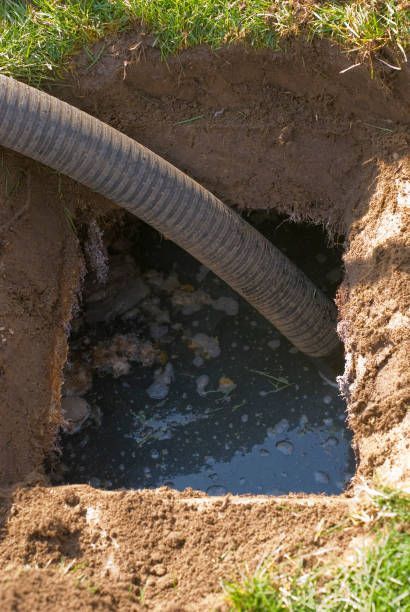
Septic pumping removes the liquid, sludge, and floating material held inside the tank. A thorough service should remove the accumulated waste rather than only extracting liquid from the center of the tank.
The technician may also observe accessible components and identify visible concerns, such as damaged lids, deteriorated baffles, excessive solids, roots, unusual water levels, or signs that wastewater is not flowing properly.
Pumping is an essential maintenance procedure, but it does not automatically repair a clogged drain line, damaged tank, failed pump, broken pipe, or saturated drain field. If slow drains or line restrictions continue after pumping, additional diagnosis or
hydro jetting for clogged drain and sewer lines may be necessary.
Can Septic Tank Additives Replace Pumping?
No septic additive can physically remove the accumulated sludge and scum stored inside a tank.
Products marketed as septic treatments may claim to accelerate biological activity, dissolve waste, or eliminate the need for service. Even when bacteria break down a portion of the organic matter, non-digestible solids remain and must eventually be pumped out.
Routine pumping cannot be replaced by pouring an additive into a toilet or drain.
Homeowners should also be cautious about chemicals that could disrupt the natural bacterial activity inside the tank or move suspended solids toward the drain field.
What Determines the Cost of Septic Tank Pumping?
The cost of pumping a septic tank in Birmingham or Hoover depends on the property and the work required. A responsible septic company may need more information before providing an accurate price.
Important cost factors include:
- Septic tank size
- Number of tanks or compartments
- Tank location
- Accessibility for the pumping truck
- Depth of the tank and lids
- Whether the lids are already exposed
- Amount and condition of the waste
- Distance from the truck to the tank
- Presence of roots, damaged lids, or access problems
- Whether additional troubleshooting or cleaning is required
- Emergency or after-hours service needs
A suspiciously low advertised price may not include locating the tank, uncovering the lids, additional hose, difficult access, waste disposal, or other necessary work. Homeowners should ask what the quoted service includes rather than comparing only the headline price.
Should You Pump the Tank Before Selling a Home?
Septic pumping or inspection may be appropriate before a property sale, especially when maintenance records are incomplete or the tank has not been serviced recently. Anyone preparing for a real estate transaction should also review what to know when buying or selling a home with a septic system.
Buyers often want to understand:
- The location and apparent condition of the tank
- When the system was last pumped
- Whether wastewater is flowing correctly
- Whether visible defects are present
- Whether the system shows signs of backup or failure
A standard pumping appointment and a real estate septic inspection are not always the same service. Property owners, buyers, and real estate professionals should clarify what documentation or evaluation is required before scheduling.
Can You Wait Until the Septic System Backs Up?
Waiting for a backup is one of the most expensive ways to maintain a septic system.
By the time wastewater is returning into the home, the tank may be overfull, a pipe may be obstructed, or the drain field may already be under significant stress. A backup can also expose flooring, walls, belongings, and occupied areas to contaminated wastewater.
Preventive pumping is generally more manageable than emergency cleanup and system repair.
A maintenance appointment can be scheduled at a convenient time. An active sewage backup demands immediate attention and may prevent the household from safely using toilets, showers, sinks, washing machines, and dishwashers.
When pumping alone does not correct the problem, Alabama Pumper also provides
septic repairs and troubleshooting for damaged tanks, baffles, lines, drain fields, lids, risers, and other system components.
Septic Tank Pumping for Hoover Homes
Hoover contains a mix of established neighborhoods, newer developments, larger residential properties, and homes outside centralized sewer service. Properties that rely on septic systems should follow a maintenance plan based on tank size, occupancy, and actual system use.
Hoover homeowners should schedule service when:
- The previous pumping date is approaching or unknown.
- Several drains have become slow.
- Odors are developing indoors or outdoors.
- The household has recently grown.
- The property is being prepared for sale.
- Heavy water usage has placed additional demand on the system.
- The yard shows possible signs of septic drainage trouble.
Alabama Pumper provides
septic tank pumping and septic services in Hoover, AL for homeowners, businesses, property managers, and commercial facilities throughout the area.
Septic Tank Pumping for Birmingham-Area Properties
Homes and commercial properties throughout the greater Birmingham area use a wide range of septic system designs and tank sizes. Older systems may have undocumented modifications, difficult access points, deteriorated lids, or maintenance histories that are no longer available.
A professional pumping appointment can help establish the current condition of the tank and provide a starting point for future maintenance.
Alabama Pumper provides septic tank service in Birmingham, AL, including routine pumping, septic cleaning, inspections, troubleshooting, hydro jetting, and help with urgent septic problems.
How to Prepare for a Septic Pumping Appointment
A few preparations can make the service process more efficient.
Before the technician arrives:
- Reduce unnecessary water usage.
- Keep vehicles and heavy equipment away from the septic area.
- Secure pets and unlock gates.
- Share any available system records.
- Explain recent odors, backups, slow drains, or wet areas.
- Identify the tank location when known.
- Avoid attempting to open or enter the tank yourself.
Septic tanks can contain dangerous gases and unstable components. Homeowners should never enter a septic tank or lean into an open access point.
Questions to Ask a Septic Pumping Company
Before choosing a septic service provider, ask practical questions about the work being performed.
Consider asking:
- What is included in the quoted pumping service?
- Does the company serve my specific Birmingham or Hoover address?
- Will the tank contents be fully removed?
- Can the company help locate the tank?
- Are excavation or lid-access charges separate?
- What happens if a damaged component is discovered?
- Does the company offer inspections or repairs when additional problems are found?
- Will the technician explain when the next pumping service may be needed?
Clear expectations protect both the property owner and the service provider.
Schedule Septic Tank Pumping Before a Backup Happens
Septic systems rarely fail at a convenient time.
A tank that is overdue for pumping can create slow drainage, odors, sewage backups, wet soil, and stress on the drain field. Regular maintenance gives homeowners a better opportunity to address problems before they become disruptive emergencies.
Alabama Pumper provides professional septic tank pumping in Birmingham, Hoover, and surrounding Alabama communities. Whether you need routine maintenance, do not know when the tank was last serviced, or are already noticing warning signs, our team can evaluate the situation and recommend the appropriate next step.
Call Alabama Pumper or request service online to schedule septic tank pumping in Birmingham or Hoover, Alabama.
Frequently Asked Questions About Septic Tank Pumping
How often should a septic tank be pumped in Alabama?
Many residential septic tanks should be pumped approximately every three to five years. Household size, tank capacity, water consumption, garbage disposal use, and waste volume can make more frequent service necessary.
How do I know when my septic tank is full?
Possible warning signs include slow drains throughout the home, gurgling toilets, sewage odors, wastewater backups, standing water near the system, and unusually wet soil over the drain field. An inspection is the best way to determine the tank’s actual condition.
Can a septic tank go 10 years without pumping?
Some lightly used systems may operate for extended periods, but going 10 years without an inspection or pumping can expose the drain field to unnecessary risk. Tank size and usage must be evaluated rather than relying on a universal timeline.
Does heavy rain mean my septic tank needs pumping?
Heavy rain can saturate the soil around a drain field and make an existing septic problem more noticeable. Pumping may relieve an overfull tank, but it will not repair a failed or waterlogged drain field. A professional assessment may be needed.
Will pumping fix slow drains?
Pumping can resolve problems caused by an overfull tank, but slow drains may also result from a clogged pipe, blocked inlet or outlet, damaged component, root intrusion, or drain field problem.
Should I use a septic additive after pumping?
Routine additives are not a replacement for proper pumping and maintenance. Avoid introducing products into the system unless they have been specifically recommended for a verified reason.
Is septic tank pumping the same as a septic inspection?
No. Pumping removes waste from the tank. An inspection evaluates specified system components and operating conditions. The scope of an inspection varies, so customers should confirm exactly what is included.
Does Alabama Pumper provide septic tank pumping in both Birmingham and Hoover?
Yes. Alabama Pumper provides septic tank pumping and related septic services for customers in Birmingham, Hoover, and surrounding service areas.
Ready to Learn More?
Stay tuned for more Septic Related Info & Tips!