Ooh... What’s That Smell?
Common Septic Odors and What They Mean
If you’ve ever walked outside and thought, “What is that smell?” you’re not alone. Septic odors are one of the most common warning signs homeowners notice when something’s not quite right underground.
Here in Central Alabama, where heavy clay soil, hilly terrain, and humid weather combine, septic odors are more than just unpleasant — they’re a clue that your system may be struggling with poor drainage, gas buildup, or soil saturation.
Let’s break down what those smells mean, where they come from, and how Alabama’s unique landscape plays a big role in how your septic system performs.

Common Septic Odors (and What They’re Telling You)
Rotten Egg Smell (Sewer Gas)
That sulfur-like odor is hydrogen sulfide, a gas naturally produced as waste breaks down inside your septic tank.
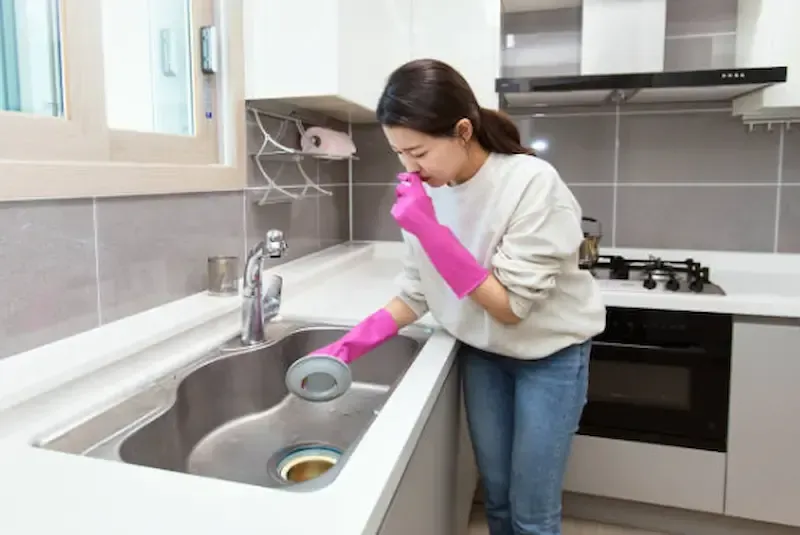
Indoors: Usually caused by dry sink traps, floor drains, or vent blockages. Try running water in all your fixtures to reseal the traps.
Outdoors: Often a sign that gases aren’t venting properly — or that groundwater has saturated your drain field, forcing gas to escape through the yard.
Pro Tip: Sewer gas smells stronger after rain because Alabama’s dense clay soil slows drainage, trapping gases near the surface.
Musty, Swampy Smell in the Yard
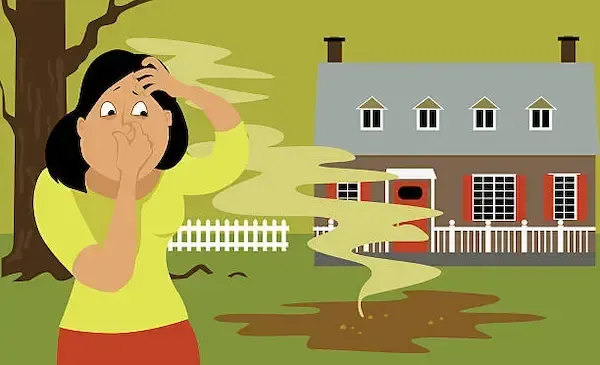
If your lawn smells “earthy” or “sour,” wastewater might be surfacing. The red clay common throughout Jefferson and Shelby counties doesn’t drain well, so even small leaks or clogs can push effluent up through the grass.
Signs include soggy spots, standing water, or greener patches over your drain field.
Strong Sewage Smell Inside the Home
A heavy sewage odor indoors usually means your tank is full or your drain field is oversaturated. Homes in areas like Pelham, Alabaster, and Helena — where groundwater tables are shallow — are especially prone to this after long rains.
In older neighborhoods like Gardendale or Fultondale, systems may have outdated venting or undersized tanks, which can cause odors to back up into bathrooms or basements.
When Septic Odors Are a Red Flag

While a mild odor near a roof vent on a hot day can be normal, you should take action if you notice:
- Persistent smells near your home’s foundation or yard
- Odors that intensify after rain
- Gurgling pipes or slow drains
- Standing water or unusually green grass near your drain field
How Alabama’s Soil and Terrain Affect Septic Systems
Understanding how your land drains is key to managing septic health — and in Central Alabama, no two yards are alike.
Birmingham & Hoover
These areas sit on thick red clay mixed with shale and ironstone, which holds water like a sponge. The terrain is hilly, meaning rainwater often runs downhill and pools in low spots — right where many drain fields sit. This poor drainage traps gases and moisture, leading to lingering odors after storms.
Gardendale & Fultondale
Located on slightly more loamy soil, these northern suburbs still have a high clay content that slows water movement. Because much of the area developed before modern septic regulations, older systems can sit too deep or too flat, creating a “bathtub effect” that keeps wastewater from dispersing properly. The result: persistent yard smells and sluggish plumbing after rain.
Chelsea, Pelham & Alabaster
Further south, rocky terrain mixes with red and yellow clay, and the rolling hills can cause uneven drainage. In these areas, groundwater saturation and surface runoff can overwhelm even newer septic systems. Effluent that can’t filter through rocky layers can create odor hot spots around tanks and drain lines — especially during Alabama’s wettest months.
Helena & Montevallo
These low-lying communities near creeks and wetlands have high water tables. During periods of heavy rainfall, groundwater can seep into septic systems, diluting the tank and pushing gases back through the yard or vent pipes. Even well-maintained systems can emit strong smells if the ground stays soggy for too long.
How Alabama Pumper Can Help?
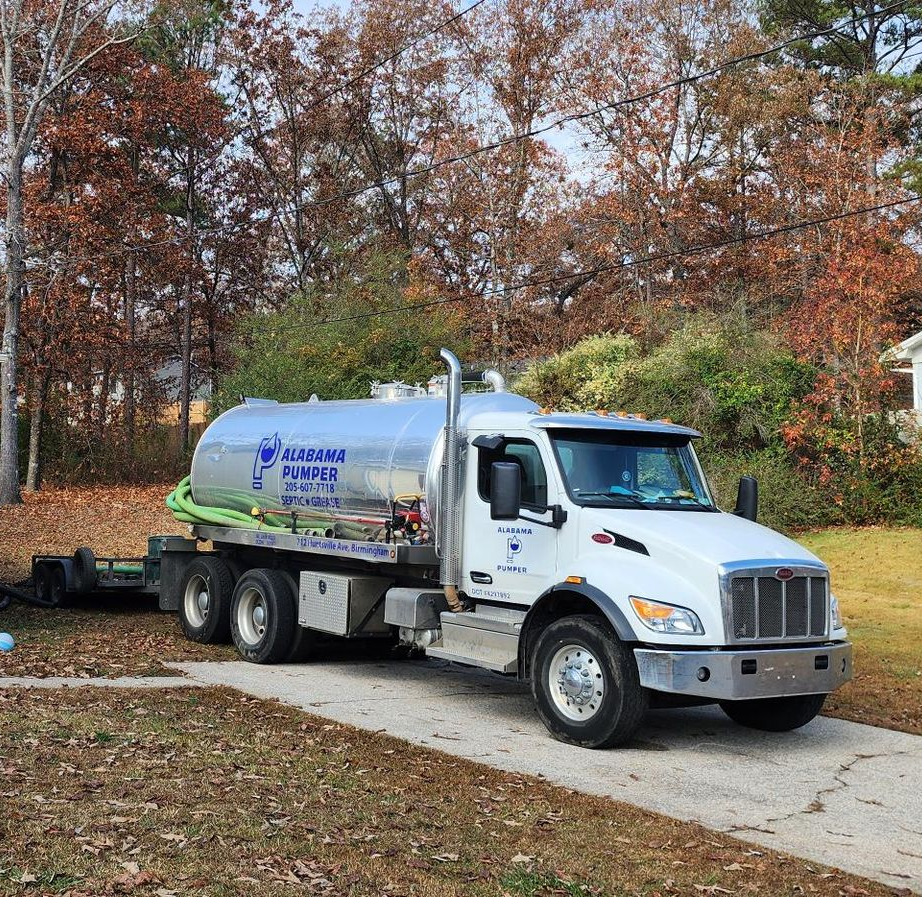
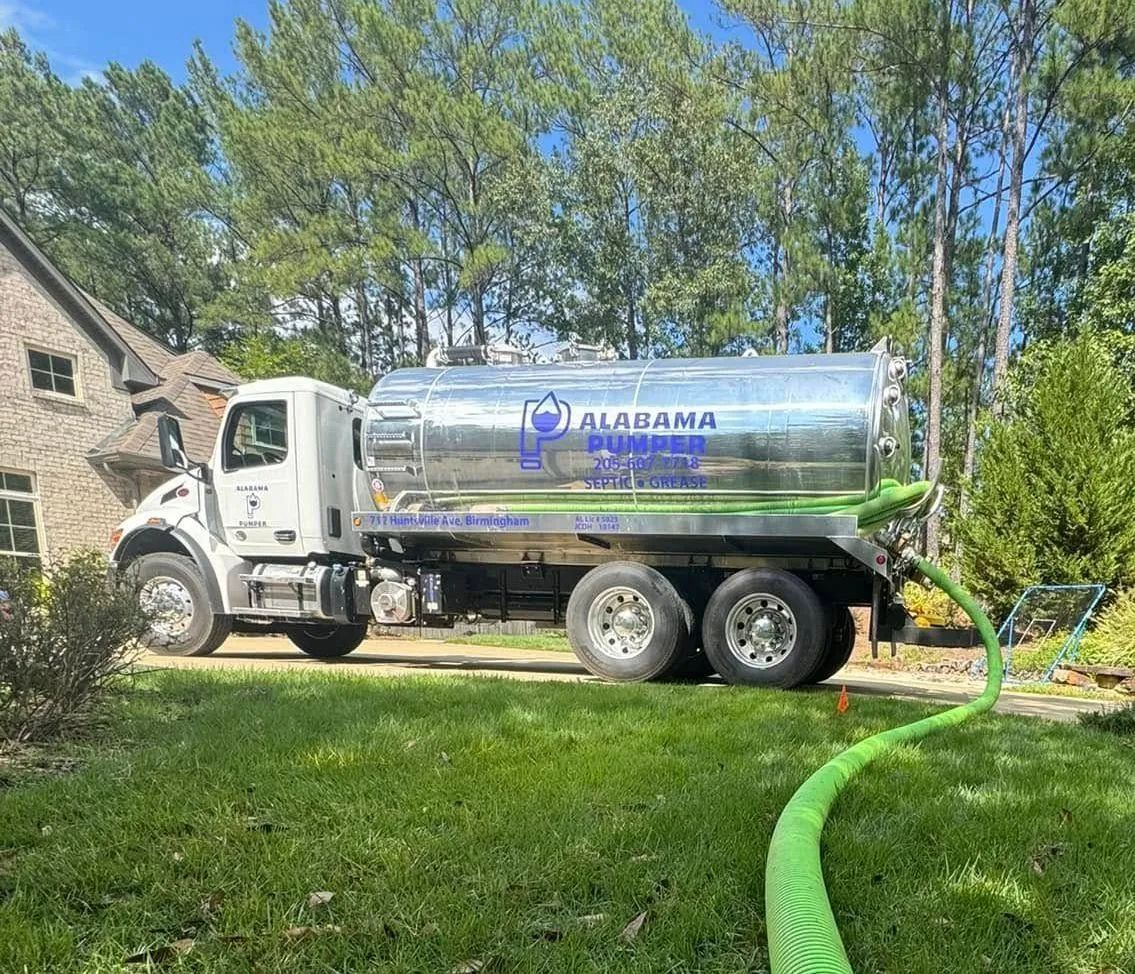
Our team has years of hands-on experience dealing with Central Alabama’s toughest septic challenges. We’ll help your home breathe easy again — from the ground up.
We proudly serve homeowners and businesses in:
Birmingham • Hoover • Gardendale • Chelsea • Alabaster • Pelham • Helena • Montevallo • Clanton • Columbiana • Springville • Odenville • Trussville and surrounding areas.
Our Services Include:
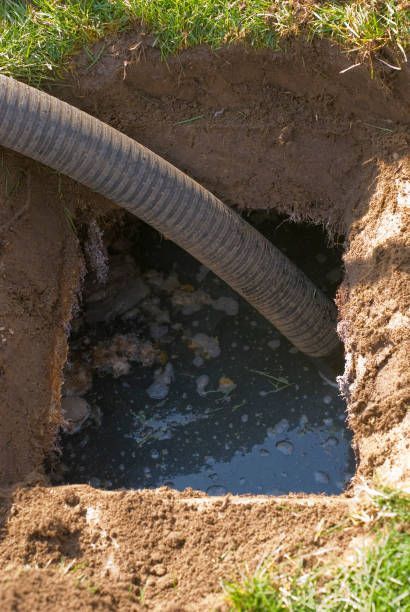
- Septic Tank Pumping & Cleaning: Prevent overflows and extend your system’s life.
- Inspections & Diagnostics: Identify drainage and infiltration problems early.
- Hydro Jetting & Line Clearing: Restore full flow after heavy rain or clog buildup.
- Emergency Repairs: Fast, reliable help when your system is flooded or backing up.
Alabama Pumper: Septic Service That Doesn’t Stink
We know Alabama soil because we work in it every day. From Birmingham’s red clay hills to Pelham’s rocky slopes and Helena’s creekside neighborhoods, our local expertise helps us identify — and solve — septic odor issues fast.
If you’ve got a smell you can’t shake, let our licensed team find the source and clear it up before it turns into a bigger problem.
Ready to Learn More?
Stay tuned for more Septic Related Info & Tips!