The Ultimate Guide to Septic System Care in Central Alabama

Part 2

How Often Should You Pump Your Septic Tank?

Factors That Affect It.

Part 2


Maintaining a healthy septic system is essential to avoid costly repairs and unpleasant backups. One of the most common questions we get at Alabama Pumper is: How often should I pump my septic tank? While the general guideline is every 2 to 4 years, the exact schedule varies based on several important factors.


Family of seven stick figures: two parents, one baby, and four children.

Household Size

The more people living in your home or working in your business, the more wastewater your septic system must process. Larger households produce more solids and liquids that fill the tank faster, meaning you may need pumping more frequently.

Black icon depicting a water filtration system with water flowing through it.

Tank Size

Septic tanks come in different sizes, typically ranging from 750 to 1,500 gallons for residential use. A larger tank can hold more waste and often requires less frequent pumping, but it’s important to stick to recommended schedules regardless of size.


Black faucet with water pouring out.

Water Usage

Excessive water usage puts extra strain on your septic system. Running multiple appliances simultaneously or high-volume water usage (like long showers, frequent laundry loads, or irrigation systems) can fill your tank more quickly and increase the need for pumping.


Tank with liquid, showing intake and output pipes.

Age and Condition of the System


Older septic systems or those with pre-existing issues may require more frequent inspections and maintenance. Components like drain fields or baffles can degrade over time, impacting overall performance.

Black clock icon showing the time as approximately 4:05.

Signs It’s Time to Pump


Even if you follow a routine schedule, watch for signs that your septic tank might need pumping sooner:


  • Slow draining fixtures

  • Gurgling sounds in plumbing

  • Sewage odors near your property

  • Pooling water or overly green patches above the drain field


Black clipboard with a white wrench icon.

Personalized Septic Maintenance Plans


At Alabama Pumper, we understand that every property is unique. That’s why we offer personalized assessments to develop a pumping and maintenance schedule tailored to your specific needs. Our licensed technicians will evaluate your system and recommend the best plan to keep it functioning efficiently.

Don’t wait for a septic emergency!

Schedule your septic tank pumping or system inspection with Alabama Pumper today.

Ready to Learn More?

Stay tuned for Part 3 of our series: Warning Signs Your Septic System Needs Attention (and What to Do) — coming soon!


Rain falls on a red cabin with a dark roof, surrounded by green trees and foliage.
October 24, 2025
Heavy rain can overwhelm your septic system, causing backups, slow drains, and yard flooding. Learn how to prevent damage and protect your system in wet weather.
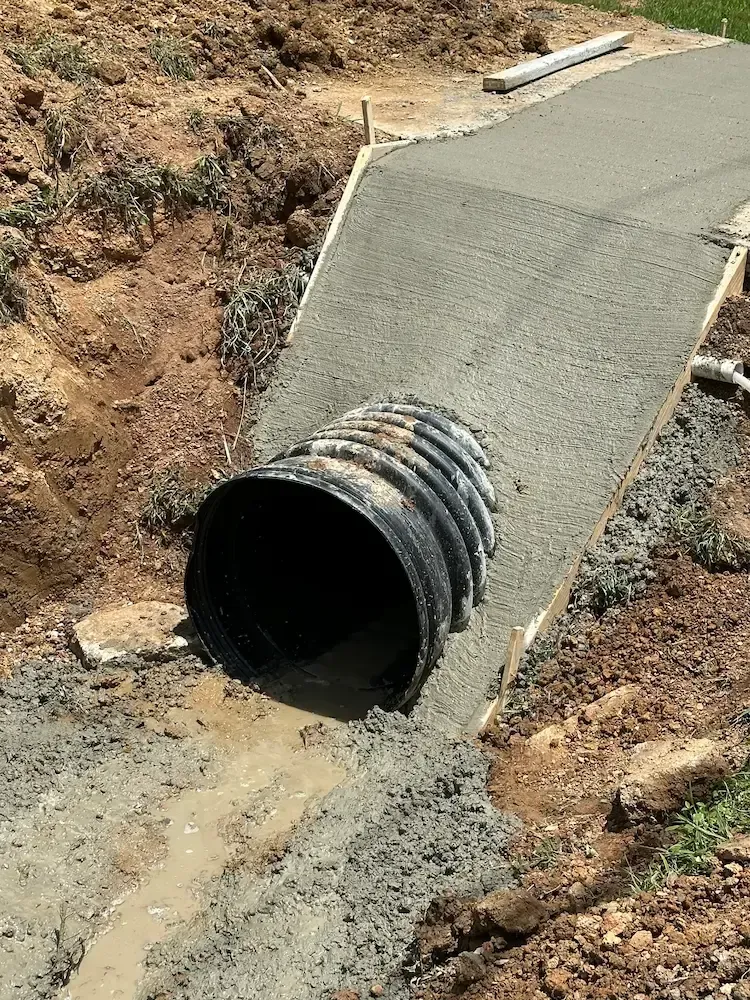
Concrete drainage channel with corrugated pipe outlet.
October 6, 2025
Understand the role of driveway culverts in managing water flow and protecting your property. Alabama Pumper breaks down everything in this guide.

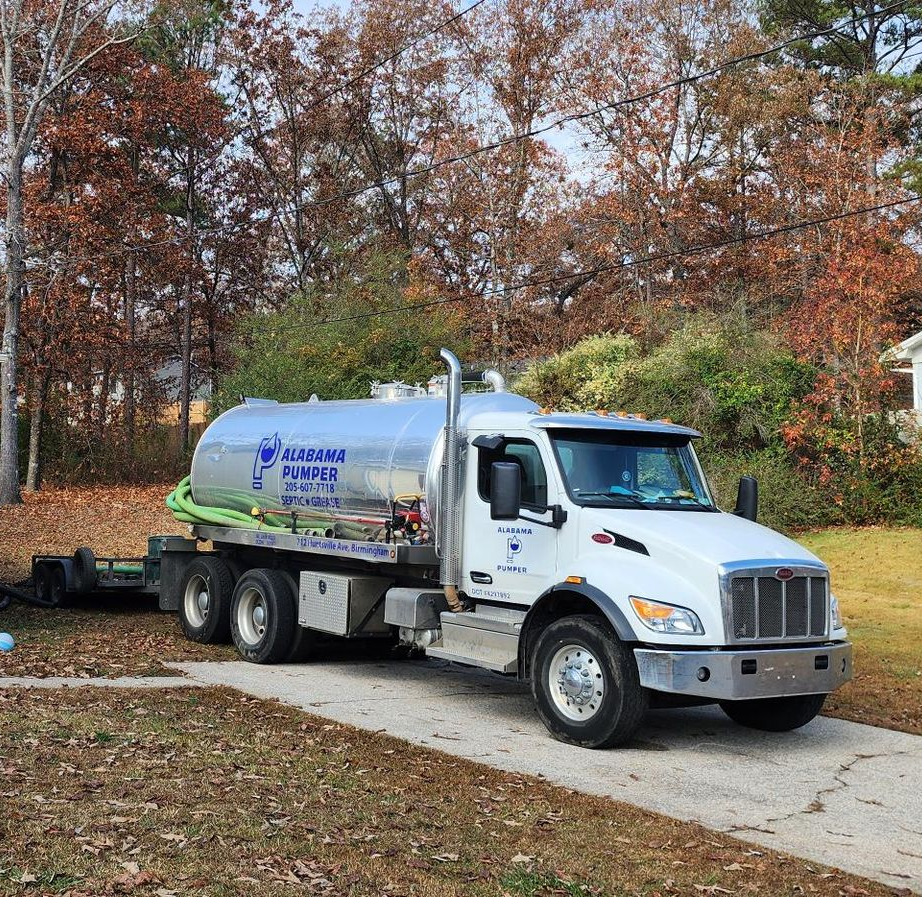
A Alabama Pumper septic truck parked in a yard in Birmingham, Alabama connected to a hose.
September 18, 2025
The Ultimate Guide to Septic System Care in Central Alabama Part 4
Diagram of a conventional septic system: house, septic tank, drainfield, and groundwater well, with labeled components.
August 26, 2025
Spot the early signs of septic system failure before it becomes a costly mess. Alabama Pumper shares expert advice every Birmingham Alabama homeowner should read.
A septic system being installed outdoors. Tanks and pipes are in a trench.
August 12, 2025
The Ultimate Guide to Septic System Care in Central Alabama Part 1
The alabama pumper logo is on a blue background.
August 12, 2025
Keep your septic system running smoothly with expert maintenance tips from Alabama Pumper. Avoid backups, save money, and extend system life.