
How to Extend the Life of Your Septic System in Alabama

Common Septic Odors and What They Mean

Your septic system is one of the most important — and expensive — parts of your home. But unlike your HVAC or roof, it’s easy to forget about… until something goes wrong.

The good news? With the right care, your septic system can last 20–30 years or more. The key is understanding how daily habits, Alabama’s clay soil, and our unpredictable weather all impact its performance.

At Alabama Pumper, we help homeowners across Central Alabama protect their systems and avoid costly repairs. Here’s how you can extend the life of your septic system and keep everything flowing smoothly.

A person wearing pink rubber gloves holds a drain strainer over a kitchen sink while covering their nose with a hand.
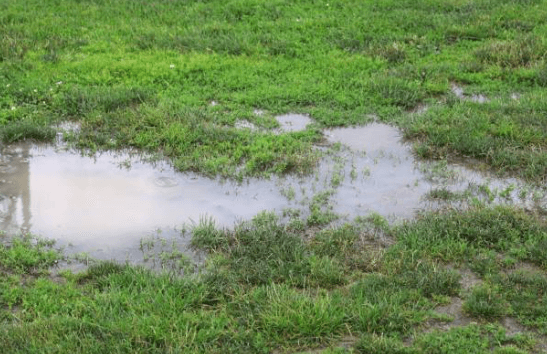
A shallow, muddy puddle of rainwater sits in a grassy lawn.

Understand Alabama’s Soil

(It Matters More Than You Think)

In areas like Birmingham, Hoover, Chelsea, and Pelham, the ground is made up of dense red clay that holds water longer than sandy soil.


That means:

  • Drain fields take longer to absorb wastewater
  • Systems stay saturated after heavy rain
  • Odors and slow drainage are more likely

If you live in low-lying areas like Helena or Alabaster, you may also deal with a high water table, which can push water back into your system during storms.


Bottom line: Alabama soil puts extra stress on your septic system — so maintenance isn’t optional, it’s essential.

Watch Your Water Usage

Too much water at once is one of the fastest ways to shorten your septic system’s lifespan.


When you overload your system:

  • Solids don’t have time to settle properly
  • Waste can get pushed into the drain field
  • Pipes and soil become overwhelmed

Smart habits that help:

  • Spread out laundry loads throughout the week
  • Fix leaky faucets and running toilets
  • Install water-efficient fixtures
  • Avoid long showers during heavy rain

In clay-heavy areas like Gardendale and Fultondale, where drainage is already slow, managing water usage is especially important.

Be Careful What You Flush

In areas like Birmingham, Hoover, Chelsea, and Pelham, the ground is made up of dense red clay that holds water longer than sandy soil.


That means:

  • Drain fields take longer to absorb wastewater
  • Systems stay saturated after heavy rain
  • Odors and slow drainage are more likely

If you live in low-lying areas like Helena or Alabaster, you may also deal with a high water table, which can push water back into your system during storms.


Bottom line: Alabama soil puts extra stress on your septic system — so maintenance isn’t optional, it’s essential.

Stick to a Regular Pumping Schedule

One of the easiest ways to extend the life of your septic system is routine septic tank pumping.


Most homes in Central Alabama should have their tank pumped every 2–4 years, depending on:


  • Household size
  • Tank size
  • Water usage
  • Soil conditions

If you wait too long, solids can overflow into your drain field — and once that happens, repairs can be costly.


Regular pumping keeps your system balanced, efficient, and odor-free.

Protect Your Drain Field

Your drain field is where wastewater gets filtered back into the soil — and it’s one of the most sensitive parts of your system.


To protect it:

  • Keep vehicles and heavy equipment off the area
  • Don’t build or pave over it
  • Avoid planting trees with deep roots nearby
  • Direct gutters and downspouts away from it


This is especially important in hilly areas like Chelsea and Pelham, where water runoff can collect and oversaturate your drain field quickly.

Schedule Regular Inspections

Even if everything seems fine, small issues can develop underground without you noticing.


Routine inspections can catch:

  • Early clogs or blockages
  • Tank damage or leaks
  • Drain field saturation issues
  • Venting problems that cause odors
  • 

At Alabama Pumper, we recommend inspections every 1–3 years, especially in areas with clay soil or frequent rain.

Don’t Ignore Warning Signs

Catching problems early can save you thousands.


Watch for:

  • Slow drains or gurgling pipes
  • Sewage odors in your yard or home
  • Standing water near your tank or drain field
  • Unusually green grass in one area


These are common in Central Alabama’s soil conditions and often signal your system needs attention.

Alabama Pumper: Helping Your System Last Longer

Extending the life of your septic system isn’t complicated — but it does require consistency and local expertise.


At Alabama Pumper, we understand the challenges of Alabama’s clay soil, heavy rainfall, and varied terrain. From Birmingham to Hoover, Gardendale to Chelsea, Alabaster, Pelham, and Helena, we help homeowners keep their systems running strong year-round.


Whether you need routine pumping, inspections, or repairs, our team is here to help you avoid problems before they start.

How Alabama’s Soil and Terrain Affect Septic Systems
Understanding how your land drains is key to managing septic health — and in Central Alabama, no two yards are alike.

Birmingham & Hoover

These areas sit on thick red clay mixed with shale and ironstone, which holds water like a sponge. The terrain is hilly, meaning rainwater often runs downhill and pools in low spots — right where many drain fields sit. This poor drainage traps gases and moisture, leading to lingering odors after storms.

Gardendale & Fultondale

Located on slightly more loamy soil, these northern suburbs still have a high clay content that slows water movement. Because much of the area developed before modern septic regulations, older systems can sit too deep or too flat, creating a “bathtub effect” that keeps wastewater from dispersing properly. The result: persistent yard smells and sluggish plumbing after rain.


Chelsea, Pelham & Alabaster

Further south, rocky terrain mixes with red and yellow clay, and the rolling hills can cause uneven drainage. In these areas, groundwater saturation and surface runoff can overwhelm even newer septic systems. Effluent that can’t filter through rocky layers can create odor hot spots around tanks and drain lines — especially during Alabama’s wettest months.


Helena & Montevallo

These low-lying communities near creeks and wetlands have high water tables. During periods of heavy rainfall, groundwater can seep into septic systems, diluting the tank and pushing gases back through the yard or vent pipes. Even well-maintained systems can emit strong smells if the ground stays soggy for too long.


Huntsville, Madison & Athens

In North Alabama, areas like Huntsville, Madison, and Athens often feature a mix of clay-heavy soils, limestone, and rocky sublayers, especially due to the region’s proximity to the Tennessee Valley. While some areas benefit from slightly better drainage than Central Alabama, the presence of shallow bedrock and compacted clay can limit how well wastewater filters through the ground. In neighborhoods with thinner soil layers, septic systems may struggle with proper absorption, causing water to move laterally instead of downward. This can lead to surfacing wastewater, lingering moisture, and odor issues, particularly after periods of heavy rain.

Decatur & Hartselle

In Decatur and Hartselle, soil conditions often include clay loam mixed with silt and areas of poor natural drainage, especially near the Tennessee River basin. These soils can become easily saturated, slowing the absorption rate of drain fields. In lower-lying areas or properties with minimal slope, water tends to pool and linger, increasing the risk of septic overload. During extended rain events, this can cause backpressure on the system, leading to slow drains, gurgling pipes, and occasional yard saturation.


Scottsboro & Guntersville

Closer to the foothills and lake regions, Scottsboro and Guntersville properties often sit on rocky terrain with shallow soil depth over limestone. While this can sometimes allow for quicker drainage, it also creates challenges for septic systems because wastewater may not have enough soil to properly filter before reaching groundwater. This can lead to uneven filtration, system strain, and localized odor issues, especially in areas where the soil layer is thin and runoff moves quickly downhill.


Cullman & Surrounding Areas

Cullman and nearby communities tend to have a mix of clay and loamy soils with moderate slopes, which can create inconsistent drainage patterns. Some properties drain well, while others hold water depending on elevation and grading. In areas where clay is more dominant, drain fields may become slow to recover after rain, increasing the risk of saturation and reduced system efficiency. Over time, this can lead to gradual buildup, odors, and decreased septic performance if not properly maintained.

How Alabama Pumper Can Help?

Our team has years of hands-on experience dealing with Central Alabama’s toughest septic challenges. We’ll help your home breathe easy again — from the ground up.


We proudly serve homeowners and businesses in:
Birmingham • Hoover • Gardendale • Chelsea • Alabaster • Pelham • Helena • Montevallo • Clanton • Columbiana • Springville • Odenville • Trussville and surrounding areas.


Our Services Include:


  • Septic Tank Pumping & Cleaning: Prevent overflows and extend your system’s life.

  • Inspections & Diagnostics: Identify drainage and infiltration problems early.

  • Hydro Jetting & Line Clearing: Restore full flow after heavy rain or clog buildup.


  • Emergency Repairs: Fast, reliable help when your system is flooded or backing up.

 Schedule Your Septic Service Today

Don’t wait until there’s a backup or bad smell — protect your investment now.

Serving Central Alabama and surrounding communities

Ready to Learn More?

Stay tuned for more Septic Related Info & Tips! 


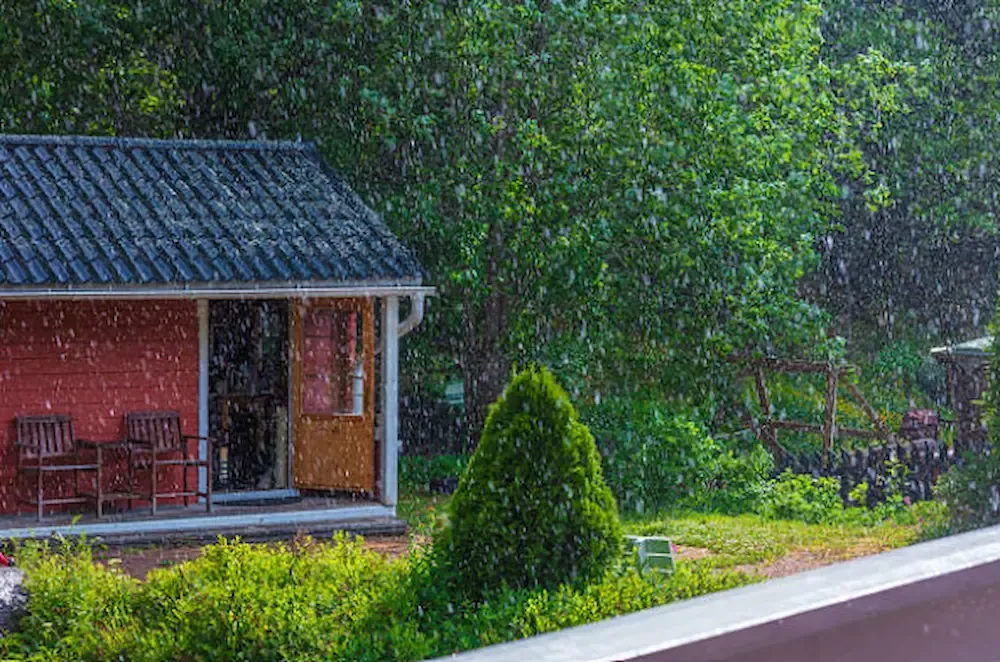
Rain falling on a red cabin with a dark roof, surrounded by green trees and bushes.
January 18, 2026
Ooh... What’s That Smell? 
Rain falls on a red cabin with a dark roof, surrounded by green trees and foliage.
October 24, 2025
Heavy rain can overwhelm your septic system, causing backups, slow drains, and yard flooding. Learn how to prevent damage and protect your system in wet weather.
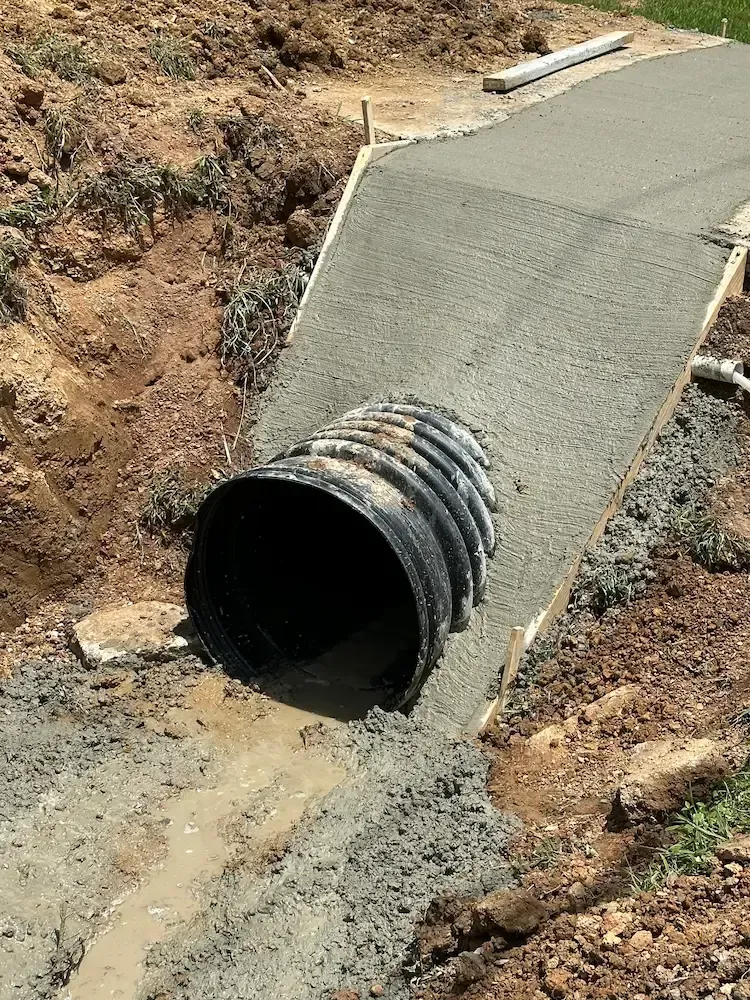
Concrete drainage channel with corrugated pipe outlet.
October 6, 2025
Understand the role of driveway culverts in managing water flow and protecting your property. Alabama Pumper breaks down everything in this guide.

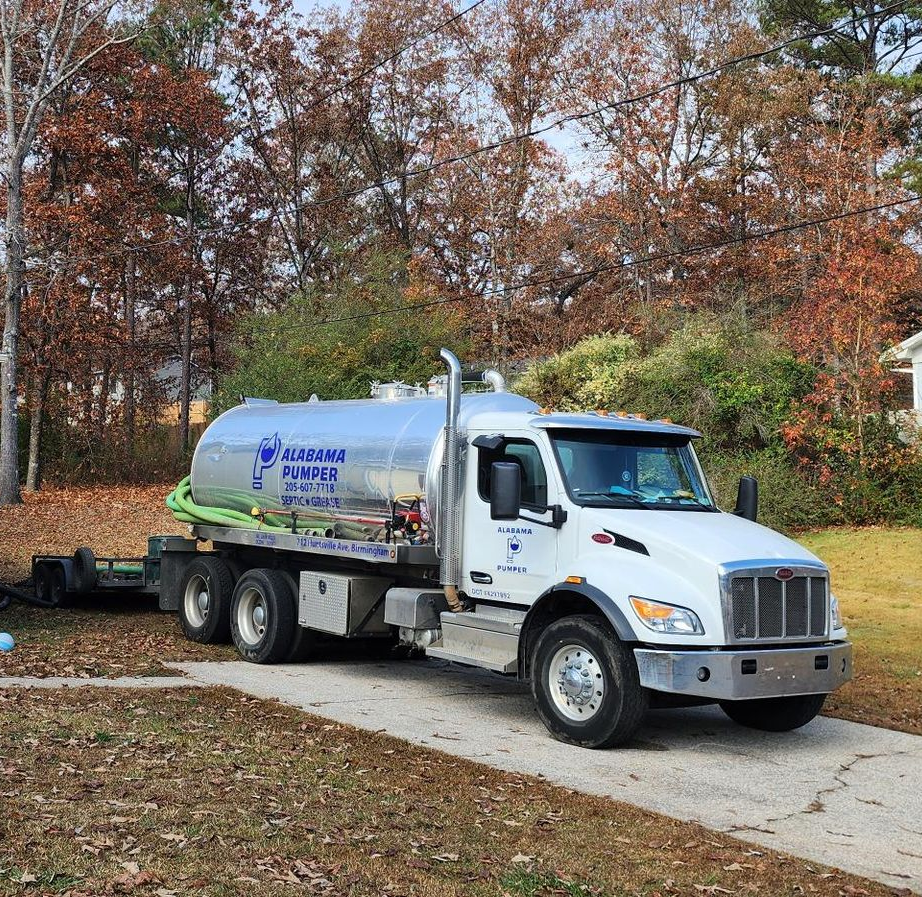
A Alabama Pumper septic truck parked in a yard in Birmingham, Alabama connected to a hose.
September 18, 2025
The Ultimate Guide to Septic System Care in Central Alabama Part 4
Diagram of a conventional septic system: house, septic tank, drainfield, and groundwater well, with labeled components.
August 26, 2025
Spot the early signs of septic system failure before it becomes a costly mess. Alabama Pumper shares expert advice every Birmingham Alabama homeowner should read.
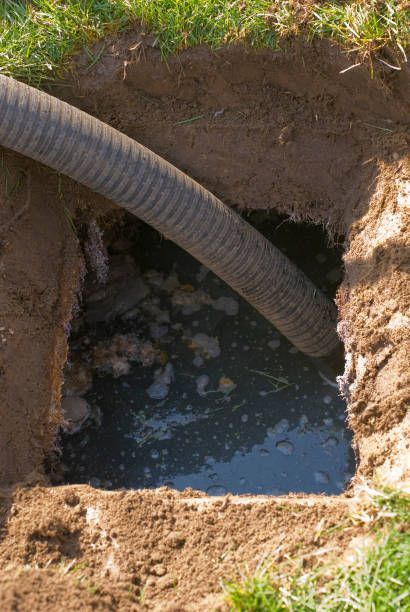
Person pumping a septic tank; hose in dark hole, brown dirt, blue jeans.
August 21, 2025
The Ultimate Guide to Septic System Care in Central Alabama Part 2
A septic system being installed outdoors. Tanks and pipes are in a trench.
August 12, 2025
The Ultimate Guide to Septic System Care in Central Alabama Part 1
The alabama pumper logo is on a blue background.
August 12, 2025
Keep your septic system running smoothly with expert maintenance tips from Alabama Pumper. Avoid backups, save money, and extend system life.