Septic Tank Pumping Huntsville AL | Alabama Pumper Septic Service
May 29, 2026
Septic Tank Pumping in Huntsville, AL: What North Alabama Homeowners Need to Know Before Problems Start
Trusted Septic Tank Pumping in Huntsville, AL & North Alabama Backed by Local Expertise
Why Septic Tank Pumping Matters for Huntsville-Area Homes
A septic tank is designed to separate wastewater into layers. Solids settle at the bottom of the tank as sludge. Grease, oils, and lighter materials float to the top as scum. The liquid layer exits the tank and moves toward the drain field, where it disperses into the soil.
Over time, the sludge and scum layers build up.
When the tank is not pumped on schedule, it loses working capacity. Eventually, solids can move toward the outlet and into the drain field. Once that happens, the septic system may stop draining properly, and the homeowner may begin seeing warning signs inside or outside the home.
Routine septic tank pumping helps remove accumulated waste before it reaches that point.
This is especially important in the Huntsville area because North Alabama properties can vary widely. Some homes rely on older septic systems with limited maintenance history. Others are newer properties where household water usage has increased quickly. Homes in Madison, Harvest, Meridianville, Athens, Hazel Green, and surrounding communities may also experience different drainage conditions based on soil, slope, lot layout, and system age.
Septic pumping is not just about removing waste. It is about helping the entire system continue working the way it should.
Huntsville Growth Makes Septic Maintenance More Important
Huntsville and the surrounding region have seen major residential growth. More families are moving into communities across Madison County, Limestone County, and nearby areas of North Alabama. Many of these homes are outside dense municipal sewer areas and depend on private septic systems.
That growth creates a simple problem: a lot of homeowners are using septic systems they may not fully understand.
A homeowner moving from a sewer-connected neighborhood into a septic property may not know when the tank was last pumped. A buyer in Madison County may inherit a system with no maintenance record. A family near Harvest or New Market may assume the system is fine because the toilets still flush and the yard looks normal.
But septic problems often build quietly.
By the time sewage backs up into the house or wet spots appear near the drain field, the system may already be under stress. Routine septic pumping gives homeowners a chance to stay ahead of those problems instead of reacting after damage has already started.
How Often Should You Pump a Septic Tank in Huntsville, Alabama?
Most residential septic tanks should be pumped every 3 to 5 years, but that is only a general rule. Some homes need service sooner.
The right septic pumping schedule depends on several factors, including:
- The number of people living in the home
- The size of the septic tank
- Daily water usage
- Laundry habits
- Garbage disposal use
- The age of the system
- Whether the home has had backups before
- Whether the property is residential, rental, or commercial
- Soil and drainage conditions
- Whether the system has been inspected recently
A two-person household near Owens Cross Roads may not fill a tank at the same pace as a family of six in Madison. A rental property in Huntsville may place more demand on the system than an owner-occupied home in Meridianville. A property near Athens with frequent guests, long showers, heavy laundry use, and a garbage disposal may need pumping sooner than expected.
If you do not know when your septic tank was last pumped, it is better to schedule service than guess.
Signs Your Septic Tank May Need Pumping
Septic systems usually provide warning signs before a major failure. The problem is that many homeowners explain those signs away until the issue becomes urgent.
Here are signs Huntsville-area homeowners should not ignore.
1.Multiple Drains Are Slow at the Same Time
One slow sink may be a small plumbing clog. But when multiple drains throughout the home slow down at once, the issue may be connected to the septic tank, main line, or drain field.
If tubs, toilets, sinks, and showers are all draining slower than normal, it is time to have the system checked.
2. Toilets Gurgle After Flushing
Gurgling toilets or drains can happen when air is trapped in the plumbing system or wastewater is not moving properly. This may point to a full septic tank, a restricted line, or a developing backup issue.
3. Sewage Odors Appear Inside or Outside
Septic odors near drains, bathrooms, the tank area, or the yard are not normal. Odors may indicate waste buildup, ventilation problems, line restrictions, tank issues, or drain field stress.
4. Wet Areas Show Up in the Yard
Soft, soggy, or unusually wet areas near the tank or drain field can be a warning sign that wastewater is not dispersing correctly. This is especially important when the wet area appears during normal weather conditions.
5. Grass Looks Too Green Over the Drain Field
A greener patch of grass does not always mean the system is failing, but unusually lush growth over the drain field can sometimes indicate wastewater is surfacing or feeding the soil too close to the top.
6. Sewage Backs Up Into the Home
This is the warning sign every homeowner wants to avoid. If sewage backs up into toilets, tubs, showers, or floor drains, the system needs immediate attention.
A backup may be caused by a full tank, clogged line, drain field problem, or a combination of issues. Either way, it should not be ignored.
Septic Pumping vs. Septic Cleaning: Why the Difference Matters
Many homeowners use the terms “septic pumping” and “septic cleaning” like they mean the exact same thing. They are related, but there is a difference.
Septic pumping removes liquid waste and accumulated material from the tank.
Septic cleaning is a more thorough process that helps remove heavier sludge and buildup from the bottom of the tank.
A tank can be pumped quickly without being fully cleaned. That may lower the level temporarily, but it may not remove the heavy material that reduces tank capacity over time.
For long-term septic system protection, homeowners should choose a septic company that does the job thoroughly and pays attention to what is happening inside the tank. A proper service should help identify whether the tank was overdue, whether the system shows signs of stress, and whether additional service may be needed.
What Happens During a Professional Septic Pumping Appointment?
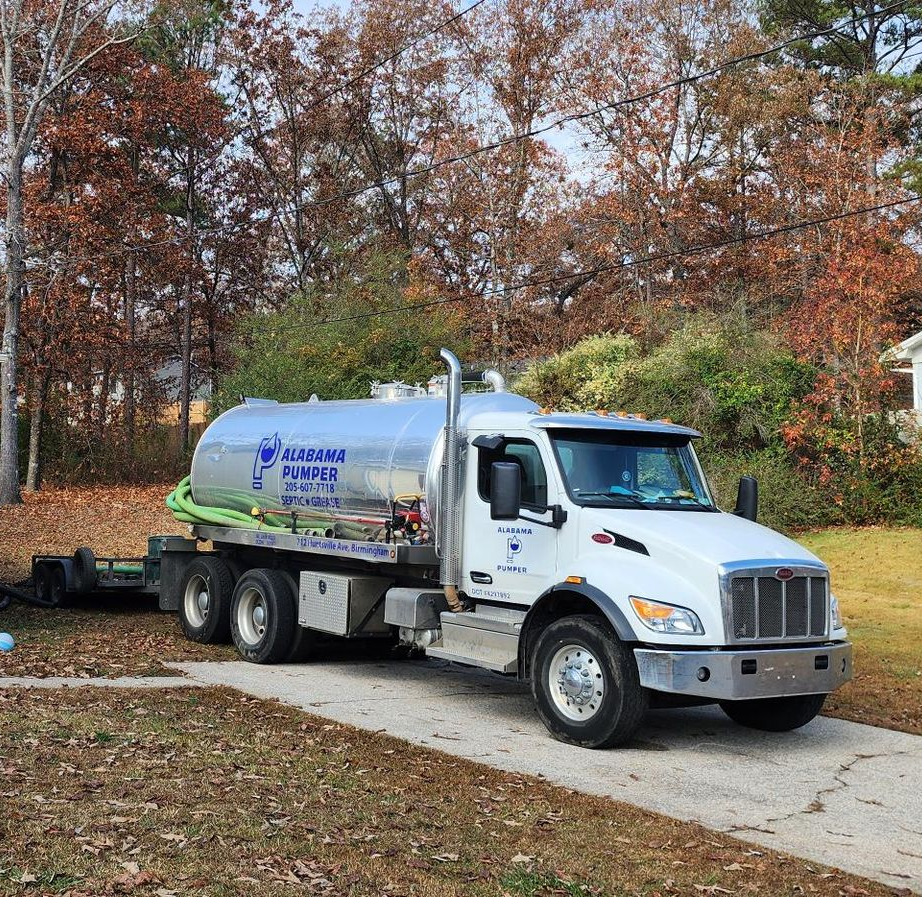
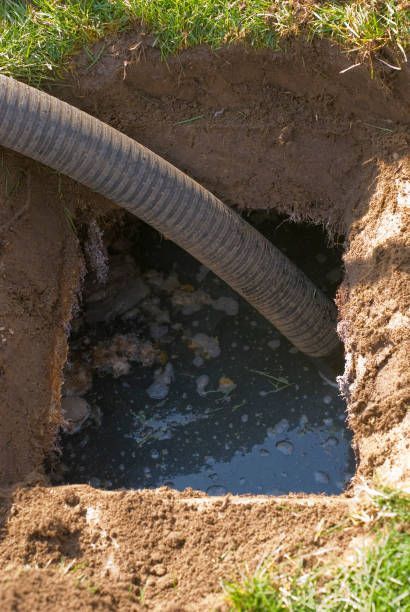
During a septic pumping appointment, the technician locates and opens the septic tank, checks visible conditions, and removes waste using a vacuum truck. Depending on the condition of the system, the technician may also look for warning signs such as high sludge levels, unusual wastewater levels, flow concerns, damaged components, or evidence that the drain field may be struggling.
After the tank is pumped, the lid should be secured and the area should be left clean.
A professional septic service should give the homeowner a better understanding of what was found. This matters because most septic system components are underground. Homeowners usually cannot see what is happening until the tank is opened and evaluated.
That is one reason routine service is so valuable. It gives you information before the system becomes a crisis.
The Drain Field Is What Septic Pumping Helps Protect
The drain field is one of the most important and expensive parts of a septic system. It is where wastewater disperses into the soil after leaving the tank.
If solids escape the tank and enter the drain field, they can clog the field lines and reduce the system’s ability to absorb water. Once a drain field begins to fail, repairs can become much more expensive than routine maintenance.
Septic tank pumping helps protect the drain field by removing sludge and scum before solids move into places they do not belong.
Homeowners can also help protect the drain field by avoiding these common mistakes:
- Do not flush wipes, paper towels, diapers, or hygiene products
- Do not pour grease or heavy food waste down drains
- Avoid doing too many laundry loads back-to-back
- Repair leaking toilets and dripping faucets quickly
- Keep vehicles, trailers, and heavy equipment off the drain field
- Avoid planting deep-rooted trees near septic components
- Schedule septic pumping before warning signs appear
A healthy septic system depends on more than one part. The tank, lines, drain field, and household habits all work together.
Why North Alabama Septic Systems Need Local Experience
Septic systems are not one-size-fits-all. A home in Huntsville may have different needs than a property in Madison, Harvest, Athens, Meridianville, Hazel Green, New Market, Owens Cross Roads, or Decatur.
Some properties have older systems. Others have newer systems that are already under heavy demand. Some homes sit on land with drainage challenges. Others may have septic components that are difficult to locate or have not been serviced in years.
Local experience matters because a good septic provider does more than pump the tank. They understand how Alabama properties are used, how homeowners describe symptoms, and what signs may point to larger problems.
For example, recurring slow drains may not only mean the tank is full. It could also mean there is buildup in a line. Wet spots in the yard may not only be from recent rain. Odor near the tank may not be something to brush off.
The right septic company should know when to recommend pumping, inspection, hydro jetting, repair, or further evaluation.
When Hydro Jetting May Be Needed
Not every septic issue is caused by a full tank. Sometimes the tank may need pumping, but the line also has grease, sludge, roots, buildup, or debris restricting flow.
That is where hydro jetting can help.
Hydro jetting uses high-pressure water to clean out lines and remove buildup that basic snaking may not fully clear. For homes and businesses around Huntsville, Madison, Athens, Decatur, and surrounding communities, hydro jetting can be especially useful when slow drains keep coming back or when a line restriction is suspected.
Septic pumping removes waste from the tank. Hydro jetting helps clean the lines. If both areas are contributing to the issue, both services may be needed to restore better system performance.
Septic Inspections Are Smart Before Buying or Selling a Home
If you are buying or selling a home with a septic system near Huntsville, a septic inspection can help avoid expensive surprises.
A home may look move-in ready, but that does not always mean the septic system is in good condition. The tank may be overdue for pumping. The drain field may show early signs of stress. The system may have no clear maintenance history. There may be components that need repair or closer evaluation.
This is especially important in areas where septic systems are common, including communities throughout Madison County, Limestone County, and nearby rural parts of North Alabama.
For buyers, a septic inspection provides valuable information before closing. For sellers, it can help reduce last-minute issues and show that the property has been properly maintained.
Common Septic Mistakes Homeowners Should Avoid
Flushing Wipes
Even wipes labeled “flushable” can create problems in septic systems. They do not break down like toilet paper and can contribute to clogs and buildup.
Pouring Grease Down the Drain
Grease can harden inside pipes and increase scum buildup inside the tank. Over time, this can restrict flow and create septic problems.
Overloading the System With Water
Too much water entering the system at once can create stress. Large back-to-back laundry loads, long showers, leaking toilets, and excessive water use can all affect septic performance.
Ignoring Small Warning Signs
Slow drains, gurgling toilets, odors, and wet areas may seem minor at first, but they can be early signs of septic trouble.
Parking Over Septic Components
Vehicles, trailers, and heavy equipment can compact soil and damage underground septic components.
Waiting Until There Is a Backup
Emergency septic service is stressful, messy, and often more expensive than preventative maintenance. Pumping the tank on schedule is a smarter approach.
Choosing a Septic Company Near Huntsville, AL
When searching for septic tank pumping in Huntsville, Alabama, look for a company that does more than show up and empty the tank.
A reliable septic company should be responsive, professional, experienced, and able to explain what they are seeing in clear terms. Homeowners should understand whether the tank was overdue, whether additional issues were noticed, and what steps may help protect the system moving forward.
Alabama Pumper provides septic service for homeowners and businesses throughout Alabama, including Huntsville and nearby North Alabama communities. Our team helps with routine septic maintenance, urgent septic concerns, inspections, hydro jetting, grease trap service, and septic repair support.
Whether you are maintaining your septic system or trying to solve a developing issue, Alabama Pumper is ready to help.
How Alabama’s Soil and Terrain Affect Septic Systems
Understanding how your land drains is key to managing septic health — and in Central Alabama, no two yards are alike.
Birmingham & Hoover
These areas sit on thick red clay mixed with shale and ironstone, which holds water like a sponge. The terrain is hilly, meaning rainwater often runs downhill and pools in low spots — right where many drain fields sit. This poor drainage traps gases and moisture, leading to lingering odors after storms.
Gardendale & Fultondale
Located on slightly more loamy soil, these northern suburbs still have a high clay content that slows water movement. Because much of the area developed before modern septic regulations, older systems can sit too deep or too flat, creating a “bathtub effect” that keeps wastewater from dispersing properly. The result: persistent yard smells and sluggish plumbing after rain.
Chelsea, Pelham & Alabaster
Further south, rocky terrain mixes with red and yellow clay, and the rolling hills can cause uneven drainage. In these areas, groundwater saturation and surface runoff can overwhelm even newer septic systems. Effluent that can’t filter through rocky layers can create odor hot spots around tanks and drain lines — especially during Alabama’s wettest months.
Helena & Montevallo
These low-lying communities near creeks and wetlands have high water tables. During periods of heavy rainfall, groundwater can seep into septic systems, diluting the tank and pushing gases back through the yard or vent pipes. Even well-maintained systems can emit strong smells if the ground stays soggy for too long.
Huntsville, Madison & Athens
In North Alabama, areas like Huntsville, Madison, and Athens often feature a mix of clay-heavy soils, limestone, and rocky sublayers, especially due to the region’s proximity to the Tennessee Valley. While some areas benefit from slightly better drainage than Central Alabama, the presence of shallow bedrock and compacted clay can limit how well wastewater filters through the ground.
In neighborhoods with thinner soil layers, septic systems may struggle with proper absorption, causing water to move laterally instead of downward. This can lead to
surfacing wastewater, lingering moisture, and odor issues, particularly after periods of heavy rain.
Decatur & Hartselle
In Decatur and Hartselle, soil conditions often include clay loam mixed with silt and areas of poor natural drainage, especially near the Tennessee River basin. These soils can become easily saturated, slowing the absorption rate of drain fields.
In lower-lying areas or properties with minimal slope, water tends to pool and linger, increasing the risk of septic overload. During extended rain events, this can cause backpressure on the system, leading to slow drains, gurgling pipes, and occasional yard saturation.
Scottsboro & Guntersville
Closer to the foothills and lake regions, Scottsboro and Guntersville properties often sit on
rocky terrain with shallow soil depth over limestone. While this can sometimes allow for quicker drainage, it also creates challenges for septic systems because wastewater may not have enough soil to properly filter before reaching groundwater. This can lead to
uneven filtration, system strain, and localized odor issues, especially in areas where the soil layer is thin and runoff moves quickly downhill.
Cullman & Surrounding Areas
Cullman and nearby communities tend to have a mix of
clay and loamy soils with moderate slopes, which can create inconsistent drainage patterns. Some properties drain well, while others hold water depending on elevation and grading. In areas where clay is more dominant, drain fields may become
slow to recover after rain, increasing the risk of saturation and reduced system efficiency. Over time, this can lead to
gradual buildup, odors, and decreased septic performance if not properly maintained.
Huntsville & Madison
In Huntsville and Madison, Alabama, septic systems are heavily affected by the area’s mix of dense clay soil, shallow limestone bedrock, and rolling terrain. The clay-rich soil absorbs water slowly, which can cause drain fields to become saturated after heavy rain and lead to slow drainage, soggy yards, and sewer odors.
Another challenge in North Alabama is the presence of limestone close to the surface. In some areas, wastewater cannot filter deeply through the soil, forcing it to spread sideways instead of properly draining downward. This can create uneven drainage patterns and added stress on septic systems.
As development continues across Huntsville and Madison, compacted soil and altered grading can also redirect runoff toward drain fields, increasing the risk of saturation during wet weather. Regular pumping, inspections, and proper water management are especially important in these areas to keep septic systems functioning efficiently.
Florence & Surrounding Areas
In Florence, Alabama, septic systems are impacted by a combination of silty clay soil, limestone bedrock, and proximity to the Tennessee River. The soil in this area tends to retain moisture longer after rain, which can slow drain field absorption and increase the risk of saturation, standing water, and septic odors.
Many properties around Florence also have shallow rock layers beneath the soil, limiting how deeply wastewater can filter. This can cause uneven drainage and place additional strain on septic systems during periods of heavy rainfall or increased water usage.
Because of Florence’s variable terrain and moisture-prone soil conditions, routine septic pumping, inspections, and proper drainage management are important for maintaining long-term system performance.
Alabama Pumper Septic Services Near Huntsville
Alabama Pumper provides a wide range of septic and wastewater services for residential and commercial properties, including:
- Septic tank pumping
- Septic tank cleaning
- Septic inspections
- Hydro jetting
- Septic repairs
- Riser installation
- Grease trap pumping
- Holding tank service
- Lift station service
- Preventative septic maintenance
We serve Huntsville and surrounding North Alabama communities, including Madison, Harvest, Athens, Meridianville, Hazel Green, New Market, Owens Cross Roads, Decatur, and nearby areas.
Frequently Asked Questions About Septic Pumping in Hoover, AL
How often should a septic tank be pumped in Huntsville, Alabama?
Most septic tanks should be pumped every 3 to 5 years, but some homes need service more often. Larger households, heavy water use, garbage disposals, frequent guests, rental properties, and older systems can all shorten the maintenance window.
What are the signs that my septic tank is full?
Common signs include slow drains, gurgling toilets, sewage odors, wet areas in the yard, unusually green grass over the drain field, and sewage backing up into tubs, showers, toilets, or floor drains.
Is septic pumping the same as septic cleaning?
Not always. Septic pumping removes waste and liquid from the tank. Septic cleaning is more thorough and focuses on removing heavier sludge and buildup from the bottom of the tank.
Do homes in Madison, Harvest, Athens, and Meridianville need septic pumping?
Yes. Many homes in and around Huntsville, Madison, Harvest, Athens, Meridianville, Hazel Green, New Market, and nearby North Alabama communities rely on septic systems. These systems need routine pumping and maintenance to prevent backups and drain field problems.
Can a full septic tank cause slow drains?
Yes. A full septic tank can contribute to slow drains, especially when multiple drains in the home are affected at the same time. Slow drains may also be caused by line buildup, clogs, or drain field issues, so the system should be evaluated.
When should I call a septic company?
You should call a septic company if your tank has not been pumped in several years, if you are buying or selling a home with a septic system, or if you notice slow drains, sewage odors, gurgling toilets, wet areas, or backups.
Does Alabama Pumper provide septic service near Huntsville?
Yes. Alabama Pumper provides septic tank pumping, septic cleaning, septic inspections, hydro jetting, septic repairs, grease trap pumping, and related septic services in Huntsville and surrounding North Alabama communities.
Schedule Septic Tank Pumping in Huntsville, Alabama
If your septic tank has not been pumped in several years, now is the time to schedule service. Waiting until there is sewage backup, strong odor, wet ground, or drain field trouble can lead to bigger problems and more expensive repairs.
Alabama Pumper provides professional septic tank pumping, septic cleaning, septic inspections, hydro jetting, and septic service throughout Huntsville and surrounding North Alabama communities.
Call Alabama Pumper today to schedule septic tank pumping near Huntsville, Alabama.
Ready to Learn More?
Stay tuned for more Septic Related Info & Tips!