Buying a Home With a Septic System in Birmingham, AL?
June 23, 2026
Buying a Home With a Septic System in Birmingham, Hoover, Huntsville & Madison? Read This Before Closing
Trusted Septic Tank Pumping in Huntsville, AL & North Alabama Backed by Local Expertise
Why Septic Systems Should Never Be Overlooked During a Home Purchase
Unlike homes connected to a municipal sewer system, properties with septic systems require ongoing maintenance and periodic pumping to operate properly.
A septic system may appear to be functioning normally during a home showing, but hidden issues such as excessive sludge buildup, damaged components, drainage concerns, or a lack of maintenance history can create expensive problems for a new homeowner.
That's why septic inspections have become an important part of many real estate transactions throughout Alabama.
What Makes Septic Systems Different From Sewer Connections?
Homes connected to city sewer systems rely on municipal infrastructure to handle wastewater.
Homes with septic systems rely entirely on a privately maintained wastewater treatment system located on the property.
As the homeowner, you're responsible for maintaining the system and addressing any issues that arise.
Why Problems Often Go Undetected Until After Closing
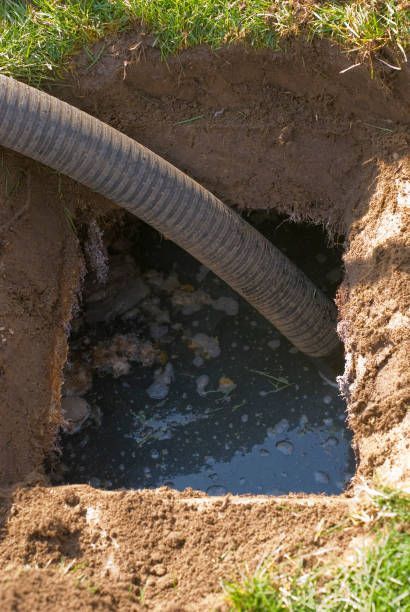
Because septic tanks, lines, and drain field components are buried underground, many issues are not immediately visible. A home can appear perfectly normal while the septic system is overdue for pumping or experiencing hidden problems.
A professional septic inspection helps identify potential concerns before ownership changes hands.
Buying a Home With a Septic System in Birmingham or Hoover
Throughout Birmingham, Hoover, Trussville, Gardendale, Pelham, Helena, Moody, Leeds, and Springville, many homes still rely on septic systems, particularly in areas outside municipal sewer coverage.
Before closing on a property, buyers should ask:
- When was the septic tank last pumped?
- Are maintenance records available?
- Has the system been inspected recently?
- Have any repairs been performed?
- Has the property experienced drainage issues or backups?
Common Septic Issues Found During Real Estate Transactions
Some of the most common concerns identified during septic inspections include:
- Tanks overdue for pumping
- Damaged baffles
- Root intrusion
- Broken lids or risers
- Drainage concerns
- Poor maintenance history
Identifying these issues before closing gives buyers a better understanding of what they may be inheriting.
Buying a Home With a Septic System
in Huntsville or Madison
As Huntsville, Madison, Athens, Harvest, and Meridianville continue to grow, many homebuyers are purchasing properties in areas where septic systems remain common.
While newer homes may have newer septic systems, maintenance history still matters. Even a relatively new system can develop issues if it hasn't been properly maintained.
A septic inspection before closing helps buyers understand the condition of the system and plan for future maintenance needs.
Why Septic Inspections Are Becoming More Important
Today's homebuyers are more informed than ever before. Many buyers want to know the condition of every major system before completing a purchase.
A septic inspection can provide peace of mind and help avoid unexpected expenses shortly after moving into the home.
5 Warning Signs Buyers Should Watch For Before Closing
Slow Drains Throughout the Home
If multiple sinks, tubs, and toilets drain slowly, the issue may extend beyond simple plumbing concerns.
Sewage Odors Around the Property
Strong sewage odors inside or outside the home should never be ignored.
Standing Water Near Septic Components
Pooling water near the tank or drain field can indicate drainage issues or system overload.
Unusually Green Grass
Exceptionally green grass around septic components can sometimes indicate wastewater escaping where it shouldn't.
Missing Maintenance Records
A lack of maintenance documentation should prompt additional questions and often a professional septic inspection.
What a Professional Septic Inspection Can Reveal
A septic inspection can uncover issues that are impossible to identify during a routine property walkthrough.
Tank Condition
Inspectors evaluate the condition of the tank and look for signs of deterioration or damage.
Baffles and Internal Components
Critical internal components help the system function properly and should be evaluated during an inspection.
Signs of Root Intrusion
Tree roots can infiltrate septic lines and create costly problems if left unchecked.
Drainage Concerns
Inspectors may identify warning signs that indicate wastewater is not moving through the system properly.
Maintenance Recommendations
A professional inspection often provides recommendations that help new homeowners protect their investment.
One of the Smartest Investments New Homeowners Can Make
Even if a septic system appears to be functioning properly, many homeowners inherit systems with little or no maintenance history.
Establishing a maintenance schedule immediately after purchasing the property can help prevent future issues and extend the life of the system.
Establishing a Maintenance Schedule
Routine inspections and pumping help keep septic systems operating efficiently.
Knowing When Your Septic Tank Was Last Pumped
Routine inspections and pumping help keep septic systems operating efficiently.
Protecting Long-Term Property Value
A properly maintained septic system can help preserve property value and reduce unexpected repair costs.
How Alabama’s Soil and Terrain Affect Septic Systems
Understanding how your land drains is key to managing septic health — and in Central Alabama, no two yards are alike.
Birmingham & Hoover
These areas sit on thick red clay mixed with shale and ironstone, which holds water like a sponge. The terrain is hilly, meaning rainwater often runs downhill and pools in low spots — right where many drain fields sit. This poor drainage traps gases and moisture, leading to lingering odors after storms.
Gardendale & Fultondale
Located on slightly more loamy soil, these northern suburbs still have a high clay content that slows water movement. Because much of the area developed before modern septic regulations, older systems can sit too deep or too flat, creating a “bathtub effect” that keeps wastewater from dispersing properly. The result: persistent yard smells and sluggish plumbing after rain.
Chelsea, Pelham & Alabaster
Further south, rocky terrain mixes with red and yellow clay, and the rolling hills can cause uneven drainage. In these areas, groundwater saturation and surface runoff can overwhelm even newer septic systems. Effluent that can’t filter through rocky layers can create odor hot spots around tanks and drain lines — especially during Alabama’s wettest months.
Helena & Montevallo
These low-lying communities near creeks and wetlands have high water tables. During periods of heavy rainfall, groundwater can seep into septic systems, diluting the tank and pushing gases back through the yard or vent pipes. Even well-maintained systems can emit strong smells if the ground stays soggy for too long.
Huntsville, Madison & Athens
In North Alabama, areas like Huntsville, Madison, and Athens often feature a mix of clay-heavy soils, limestone, and rocky sublayers, especially due to the region’s proximity to the Tennessee Valley. While some areas benefit from slightly better drainage than Central Alabama, the presence of shallow bedrock and compacted clay can limit how well wastewater filters through the ground.
In neighborhoods with thinner soil layers, septic systems may struggle with proper absorption, causing water to move laterally instead of downward. This can lead to
surfacing wastewater, lingering moisture, and odor issues, particularly after periods of heavy rain.
Decatur & Hartselle
In Decatur and Hartselle, soil conditions often include clay loam mixed with silt and areas of poor natural drainage, especially near the Tennessee River basin. These soils can become easily saturated, slowing the absorption rate of drain fields.
In lower-lying areas or properties with minimal slope, water tends to pool and linger, increasing the risk of septic overload. During extended rain events, this can cause backpressure on the system, leading to slow drains, gurgling pipes, and occasional yard saturation.
Scottsboro & Guntersville
Closer to the foothills and lake regions, Scottsboro and Guntersville properties often sit on
rocky terrain with shallow soil depth over limestone. While this can sometimes allow for quicker drainage, it also creates challenges for septic systems because wastewater may not have enough soil to properly filter before reaching groundwater. This can lead to
uneven filtration, system strain, and localized odor issues, especially in areas where the soil layer is thin and runoff moves quickly downhill.
Cullman & Surrounding Areas
Cullman and nearby communities tend to have a mix of
clay and loamy soils with moderate slopes, which can create inconsistent drainage patterns. Some properties drain well, while others hold water depending on elevation and grading. In areas where clay is more dominant, drain fields may become
slow to recover after rain, increasing the risk of saturation and reduced system efficiency. Over time, this can lead to
gradual buildup, odors, and decreased septic performance if not properly maintained.
Huntsville & Madison
In Huntsville and Madison, Alabama, septic systems are heavily affected by the area’s mix of dense clay soil, shallow limestone bedrock, and rolling terrain. The clay-rich soil absorbs water slowly, which can cause drain fields to become saturated after heavy rain and lead to slow drainage, soggy yards, and sewer odors.
Another challenge in North Alabama is the presence of limestone close to the surface. In some areas, wastewater cannot filter deeply through the soil, forcing it to spread sideways instead of properly draining downward. This can create uneven drainage patterns and added stress on septic systems.
As development continues across Huntsville and Madison, compacted soil and altered grading can also redirect runoff toward drain fields, increasing the risk of saturation during wet weather. Regular pumping, inspections, and proper water management are especially important in these areas to keep septic systems functioning efficiently.
Florence & Surrounding Areas
In Florence, Alabama, septic systems are impacted by a combination of silty clay soil, limestone bedrock, and proximity to the Tennessee River. The soil in this area tends to retain moisture longer after rain, which can slow drain field absorption and increase the risk of saturation, standing water, and septic odors.
Many properties around Florence also have shallow rock layers beneath the soil, limiting how deeply wastewater can filter. This can cause uneven drainage and place additional strain on septic systems during periods of heavy rainfall or increased water usage.
Because of Florence’s variable terrain and moisture-prone soil conditions, routine septic pumping, inspections, and proper drainage management are important for maintaining long-term system performance.
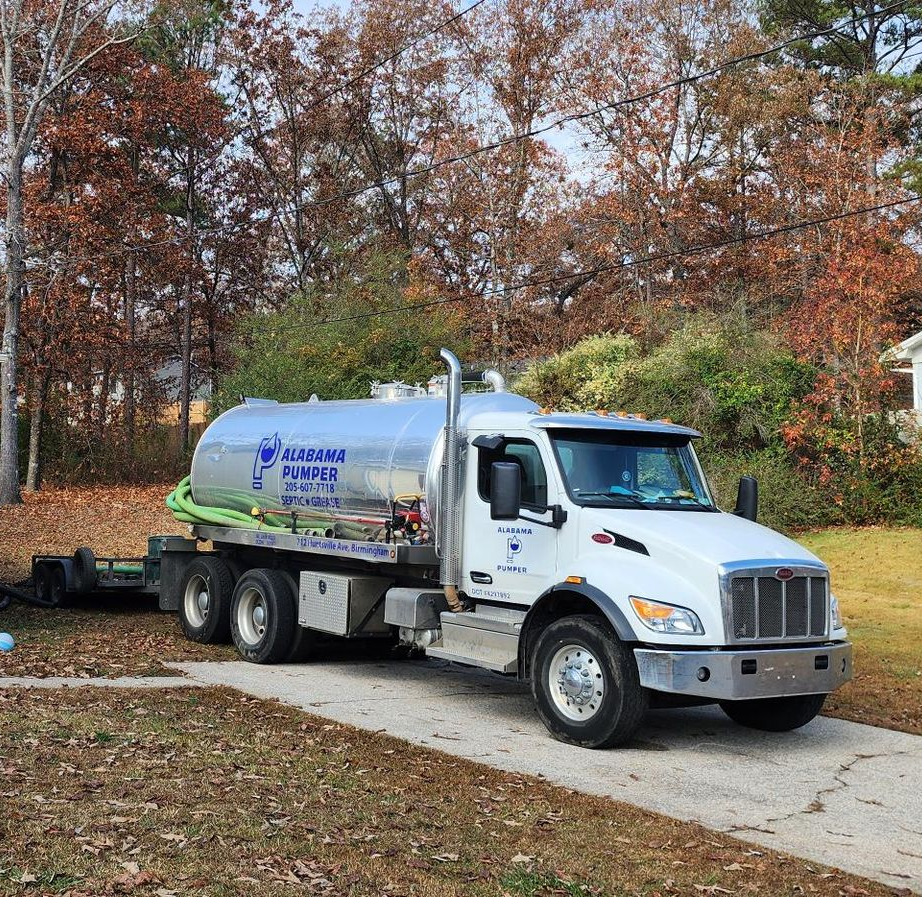
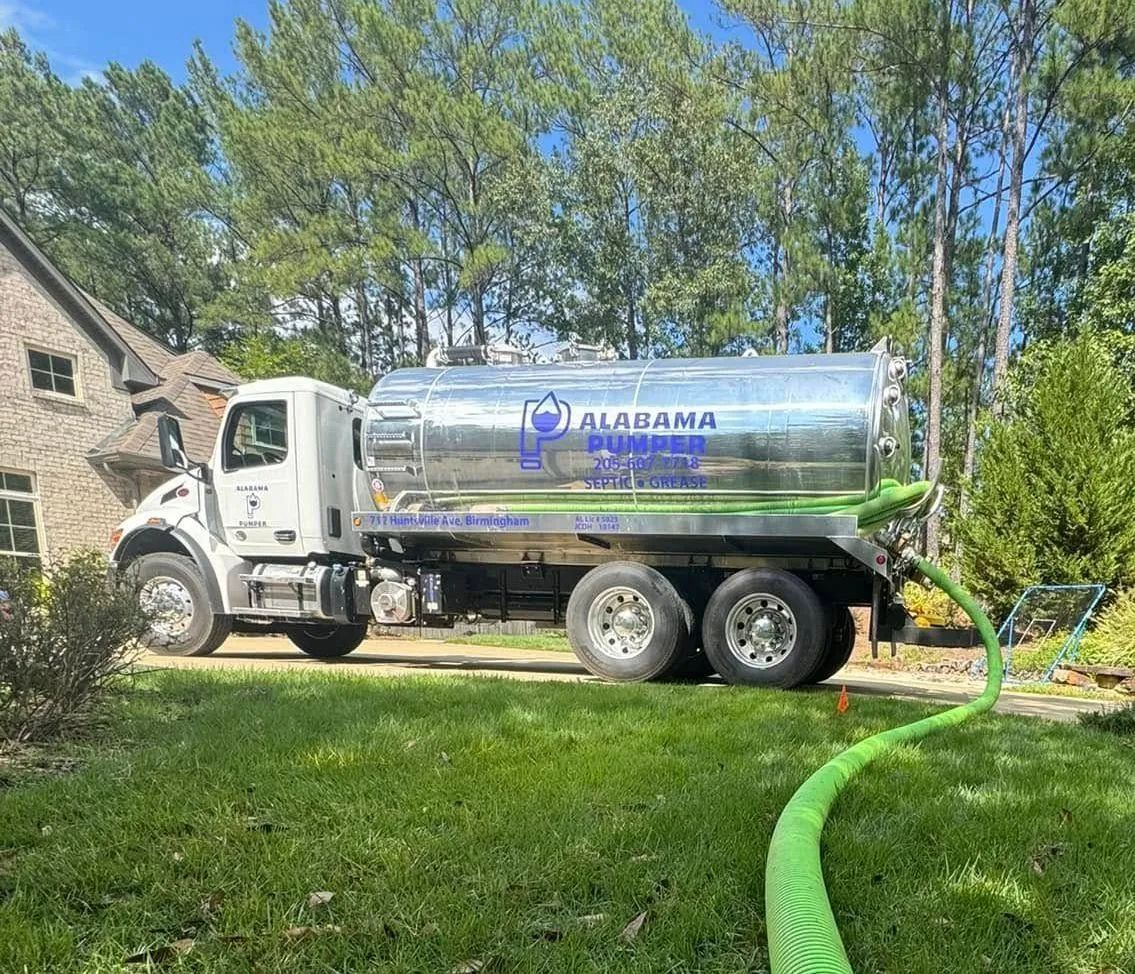
Alabama Pumper Septic Services Near Huntsville
Alabama Pumper provides a wide range of septic and wastewater services for residential and commercial properties, including:
- Septic tank pumping
- Septic tank cleaning
- Septic inspections
- Hydro jetting
- Septic repairs
- Riser installation
- Grease trap pumping
- Holding tank service
- Lift station service
- Preventative septic maintenance
We serve Huntsville and surrounding North Alabama communities, including Madison, Harvest, Athens, Meridianville, Hazel Green, New Market, Owens Cross Roads, Decatur, and nearby areas.
Frequently Asked Questions About Buying a Home With a Septic System
Should I get a septic inspection before buying a home?
Yes. A septic inspection can reveal issues that may not be visible during a standard home inspection.
Who pays for the septic inspection?
This varies by transaction and is often negotiated between buyers and sellers.
Can a septic system fail even if everything appears normal?
Yes. Many septic problems occur underground and may not be obvious during a property showing.
How often should a septic tank be pumped?
Most residential septic tanks should be pumped every three to five years, depending on usage and tank size.
What happens if problems are discovered before closing?
Inspection findings can often be used during negotiations before the purchase is finalized.
Schedule a Septic Inspection Before Closing Day
Purchasing a home with a septic system doesn't have to be stressful. Understanding the condition of the system before closing can help prevent unexpected expenses and provide greater peace of mind.
Alabama Pumper provides septic inspections, septic tank pumping, troubleshooting, hydro jetting, grease trap services, lift station maintenance, and commercial septic services throughout Birmingham, Hoover, Huntsville, Madison, Trussville, Gardendale, Pelham, Helena, Moody, Leeds, Springville, Athens, Harvest, Meridianville, and surrounding Alabama communities.
If you're buying a home with a septic system, a professional inspection is one of the smartest ways to protect your investment before closing day.
Ready to Learn More?
Stay tuned for more Septic Related Info & Tips!