Your toilets flush normally. The drains seem fine. There is no sewage in the yard.
So how do you know your septic system is actually working the way it should?
The answer is not always visible from inside the house.
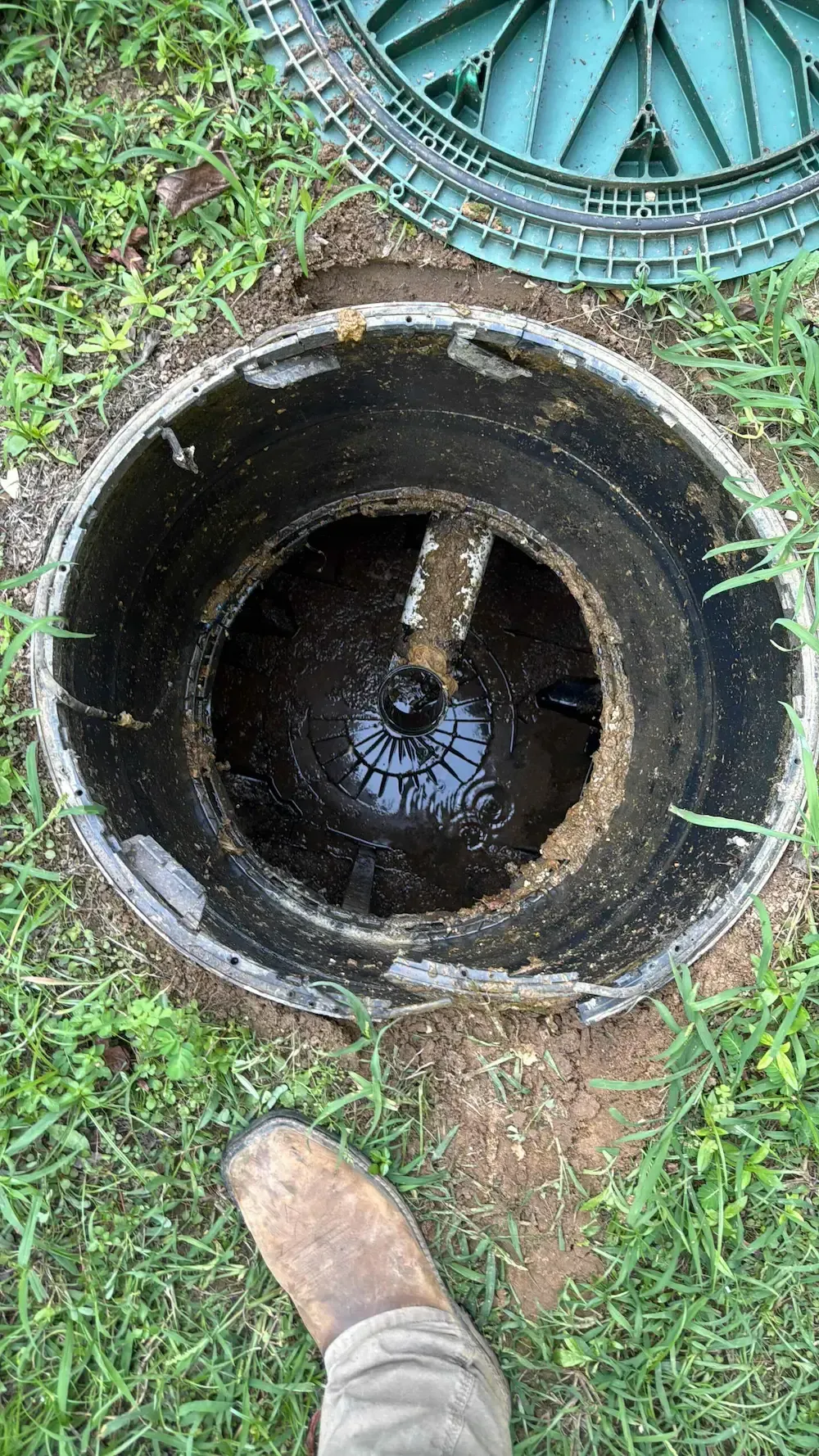
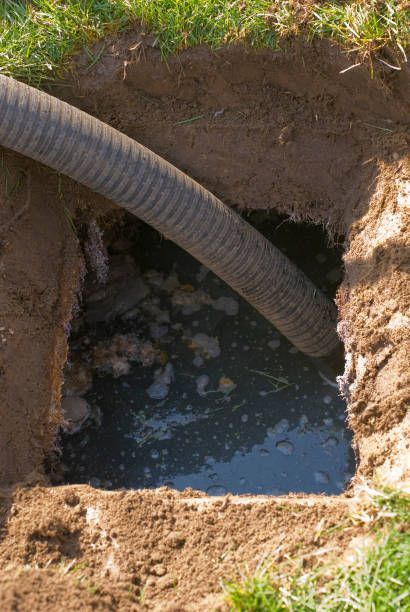
A septic tank and its connecting components are buried underground, where developing problems can go unnoticed until wastewater begins backing up, drains slow down, or the ground becomes unusually wet.
A professional septic inspection helps homeowners better understand the condition of the system, whether maintenance is needed, and whether signs of a more serious problem are present.
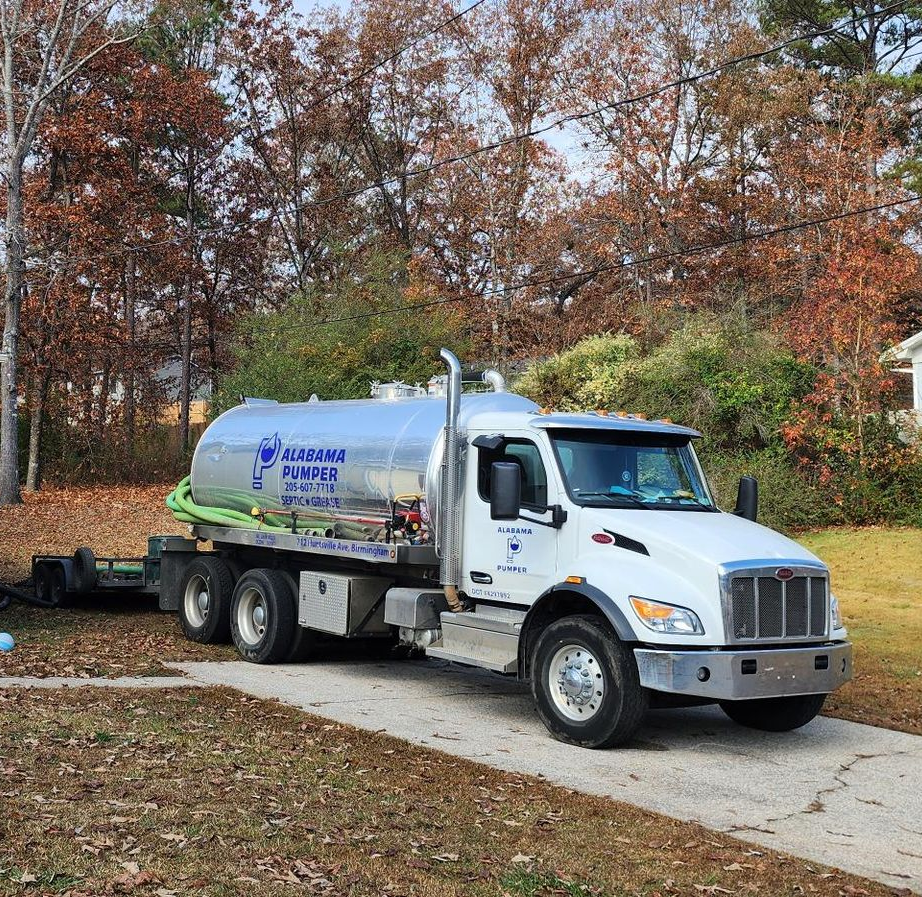
Alabama Pumper provides
septic tank inspections, pumping, drain cleaning, and septic troubleshooting for residential properties throughout its Alabama service areas.
Here's what you should know before scheduling.
Quick Answer: What Happens During a Septic Tank Inspection?
A septic tank inspection evaluates the condition and operation of the accessible septic system components.
Depending on the system and the type of inspection requested, an inspection may include:
- Locating the septic tank and reviewing available system records.
- Evaluating sludge and scum accumulation.
- Checking tank access points, lids, and visible structural components.
- Examining inlet and outlet components.
- Looking for signs of leaks, backups, or abnormal wastewater levels.
- Assessing accessible drain field conditions.
- Identifying maintenance needs or concerns that require additional testing.
Not every septic inspection includes the same procedures. A routine maintenance inspection, a real estate evaluation, and a more detailed diagnostic investigation can have different scopes.
Confirm exactly what is included when scheduling.
The 7 Things a Septic Inspection Can Reveal
1. Whether the Septic Tank May Need Pumping
A tank normally contains wastewater. That alone does not mean it is overdue for pumping.
The concern is the amount of sludge and scum that has accumulated inside.
When accessible and included in the inspection, measuring these layers can help determine whether pumping is appropriate.
For homeowners who cannot remember the last service date, this information can be especially useful.
If maintenance is needed, Alabama Pumper provides
septic tank pumping in Birmingham and additional service areas.
2. Whether Tank Components Show Signs of Damage
Septic tanks contain components designed to control how wastewater enters, separates, and exits the tank.
Depending on accessibility, the inspector may identify concerns involving:
- Access lids or risers
- Visible tank deterioration
- Inlet and outlet components
- Baffles or tees
- Signs of corrosion
- Unusual wastewater levels
An inspection can identify visible concerns, but some defects require additional testing or access to confirm.
3. Whether Wastewater Is Moving Through the System Properly
A home may have slow drains even when the septic tank itself is not overdue for pumping.
Wastewater restrictions can occur in pipes, at tank connections, or farther downstream.
If toilets gurgle, drains empty slowly, or wastewater backs up, the inspection or follow-up diagnosis may help narrow down where the problem could be occurring.
When a wastewater line is restricted by heavy buildup,
hydro jetting services in Birmingham may be appropriate after the line and its condition have been assessed.
4. Whether the System Shows Evidence of a Previous Backup
A homeowner may not know that a septic problem has occurred before.
Depending on what can be accessed, evidence of unusually high wastewater levels, staining, or other abnormal conditions may suggest previous flow or drainage problems.
This matters especially when a property has recently changed owners or maintenance records are incomplete.
Whether the Drain Field Shows Warning Signs
The drain field receives wastewater leaving the tank and allows it to move through the surrounding soil.
Warning signs can include:
- Persistent wet or soggy ground
- Standing wastewater
- Sewage odors
- Signs of wastewater surfacing
- Drainage problems that recur after pumping
Not every drain field problem can be confirmed through a visual inspection alone.
Additional investigation may be necessary to determine whether the issue involves saturated soil, damaged components, excessive water use, or another cause.
6. Whether the System Has Maintenance History Gaps
Knowing the last pumping date is helpful, but it is not the only useful record.
An inspection may also benefit from:
- Previous inspection reports
- Tank capacity information
- Installation or permit records
- Known system modifications
- Pump replacement history, if applicable
- Previous repairs
If you have recently purchased a home in Alabama and the records are incomplete, establishing the system's current condition can provide a better starting point for future maintenance.
7. Whether Additional Service May Be Needed
An inspection can help identify potential issues that may call for further evaluation or maintenance.
Depending on the findings, recommendations might include:
- Septic tank pumping
- Cleaning a restricted wastewater line
- Further drain field evaluation
- Repairing damaged components
- Investigating abnormal wastewater levels
- Adjusting future maintenance intervals
Not every concern means an expensive repair is necessary.
The purpose is to identify what is known, explain any limitations, and determine what should happen next.
Alabama Pumper also provides
septic repairs and troubleshooting for problems that go beyond routine maintenance.
Septic Inspection vs. Septic Pumping: Which Do You Need?
These are related services, but they accomplish different things.
Septic pumping removes accumulated waste from the tank.
A septic inspection evaluates the condition and operation of the system within the agreed inspection scope.
If your tank is due for routine maintenance, pumping may be the appropriate next step.
If you recently purchased a home, have an unknown system history, or are experiencing recurring problems, an inspection may provide useful information before deciding what service is required.
And if wastewater is actively backing up into the house, the immediate priority is diagnosing and addressing the backup safely.
Avoid assuming every septic problem can be fixed by pumping.
Should You Get a Septic Inspection Before Buying a House in Alabama?
A home can look perfectly maintained above ground while having septic concerns below it.
Before purchasing a home with a septic system, buyers should understand what system is installed, whether inspection and maintenance records are available, and whether there are signs of malfunction.
A general home inspection does not necessarily include a detailed septic evaluation.
The U.S. Environmental Protection Agency recommends having a septic system inspected before purchasing a home.
That makes a septic inspection a valuable consideration for buyers, sellers, real estate professionals, and property owners preparing for a transaction.
Useful resource:
EPA Guide for Homebuyers With Septic Systems.
What Does a Septic Inspection Cost?
Septic inspection pricing depends on the type and scope of evaluation.
A routine visual or maintenance-oriented inspection may involve different work from a detailed real estate inspection, diagnostic assessment, or inspection requiring additional access.
Potential cost factors include the number of tanks, buried lids, tank locating, system complexity, accessibility, and any extra testing requested.
Before booking, ask what components will be evaluated, whether a written report is included, and whether pumping or additional diagnostics are separate services.
The most useful quote is one that clearly explains what is being inspected.
Septic Inspections Across Central and North Alabama
Alabama Pumper serves customers across Central and North Alabama, including important service markets around Birmingham, Hoover, Pell City, Huntsville, Madison, and Cullman.
Some homeowners are scheduling an inspection before a real estate transaction. Others have recently moved into a property, are unsure of the pumping history, or want to understand recurring drainage problems.
Whether you own an established home in the Birmingham area or a residential property in North Alabama, the inspection should be matched to the actual wastewater system and your reason for requesting service.
When contacting Alabama Pumper, provide the property's city and address to confirm scheduling and service availability.
When Should You Schedule a Septic Inspection?
Consider scheduling an inspection if:
- You are buying a home with a septic system.
- You do not know when the system was last inspected.
- The septic pumping or repair history is unavailable.
- Several drains are becoming slow.
- Sewage odors or unusually wet ground have appeared.
- Problems keep returning after pumping or drain cleaning.
- You want a clearer understanding of the system's maintenance needs.
You do not have to wait for a sewage backup to ask questions about the condition of your septic system.